The second HYTOPIA Game Jam has come to a close, and the submissions are nothing short of spectacular. This jam brought together creative minds from across the development spectrum to embrace the concept of ‘vibe coding‘—harnessing AI tools and the HYTOPIA SDK to transform bold ideas into playable realities. With a $6,000 prize pool up for grabs and a freestyle theme encouraging limitless creativity, participants delivered an eclectic mix of mini-games that redefine what’s possible in voxel-based gaming.
Let’s dive into the highlights of this groundbreaking event and showcase the 11 incredible games born from the HYTOPIA community’s imagination.
The Vision: Vibe Coding Meets Freestyle Innovation
This Game Jam celebrated speed, collaboration, and AI-assisted development. Participants were challenged to push boundaries with the HYTOPIA SDK, crafting web-based games that prioritized:
Gameplay Innovation: Unique mechanics, fresh interactions, and unexpected twists.
Technical Excellence: Clean code, optimized performance, and polished execution.
Immersive Aesthetics: Striking visuals, intuitive UI, and atmospheric sound design.
The rules were simple but demanding: build fast, think bigger, and let creativity reign.
The Submissions: A Diverse Gaming Showcase
From chaotic survival challenges to math-skydiving hybrids, here’s a glimpse at the standout entries:
A thrilling multiplayer game where trust is fragile and betrayal hides in plain sight. Players are divided into two teams: The Impostor (a secret player trying to eliminate crew members) and The Crew (working together to find the impostor). Features include real-time multiplayer, emergency meetings, voting systems, and fast-paced strategic gameplay.
A fast-paced, first-person paintball shooter set in a vibrant voxel world. With infinite ammo and no need to reload, this game focuses on nonstop action, precision, and movement in chaotic deathmatch arenas. The voxel-based maps feature dynamic structures for tactical combat, while paint splatters accumulate across the battlefield, visually tracking the intensity of each match.
Outwit a malfunctioning AI warden in a decaying biodome in this co-op survival challenge. Players must defeat K.O.R.O. (Kinetic Operations & Resource Overseer) before it eliminates all players. The adaptive AI becomes faster and more aggressive as it takes damage, offering progressively challenging gameplay with environmental warfare, hazardous ground effects, and strategic shield mechanics.
Over the past two weeks I’ve spent about 45 hours on my @HYTOPIAgg game jam 2 entry – a team based fps modeled after one of my favorite game modes of all time – Titan mode from BF2142 pic.twitter.com/wGWy7mgShx
Team-based combat where players work together to destroy the enemy’s Goliath (airship) by capturing and holding missile silos. Once the enemy’s shield is depleted, players can board the Goliath to take it down from the inside. Features class-based gameplay with unique abilities, squad mechanics, and objective-based progression.
Inspired by Valve’s Ricochet, A high-octane disc-bouncing duel where players knock rivals off floating platforms. No jumping allowed—just precision timing and jump-pad mastery.
Vibe: A nostalgic yet fresh take on arcade-style competition.
Maze Dash is a timed, single-player arcade-style game built using the @HYTOPIAgg SDK. Players are challenged to navigate a randomly generated maze from the entrance to the exit as quickly as possible.
A timed, single-player arcade-style game challenging players to navigate a randomly generated maze from entrance to exit as quickly as possible. Adding to the challenge is a depleting oxygen supply and hostile zombies roaming the paths. Players can collect oxygen potions to extend their time while avoiding obstacles in this fast-paced maze runner.
An educational journey through the skies where players dive through a vibrant tunnel filled with colorful voxel cubes displaying numbers. Players must solve arithmetic challenges (addition, subtraction, multiplication, division) by falling toward the correct answers. Perfect for children learning math fundamentals while enjoying an exciting skydiving experience.
My entry is Hytopia Havoc a fall guys clone. My goal was 9 games but ran short on time so didn't get to implement the Team Games. If people enjoy i will finish these 3 games out and maybe attempt to finish out the cosmetics system! pic.twitter.com/cgn1HScvWW
A chaotic voxel party royale where adorable blocky characters dash, dive, and tumble through wild obstacle courses to be the last one standing. Features multiple game modes including race courses (Seesaw Survivor, Gate Crash, Bounce Rush) and survival challenges (Beam Blitz, Top Drop, Block Party), along with a progression system for earning XP and collecting rewards.
A platformer game inspired by Fall Guys featuring a compact obstacle course map designed for quick, timed runs. Players compete to complete the level as fast as possible, with a built-in leaderboard tracking their best times and ranking them accordingly. Simple controls make this accessible while offering depth for speed running enthusiasts.
I submitted my game for the @HYTOPIAgg Game Jam 2: Pulse Floor+ 🔥 It’s a solo survival game where timed pulses destroy the floor under you unless you jump in time. The longer you last, the harder it gets, faster pulses, hazards, and chaos. Let me know what you think! pic.twitter.com/R4h7FYZAfm
A fast-paced, timing-based survival mini-game where players are trapped on a floating platform suspended above lava. Every few seconds, glowing statues fire beams that create deadly pulses across the arena floor. Players must time their jumps perfectly to avoid standing on tiles when pulses reach them, with escalating challenges including cracked tiles, sticky tiles, and various pulse patterns.
11. BEDWARS
Defend your bed. Demolish theirs.
Bedwars is coming to HYTOPIA.
I’ve rebuilt this legendary Minecraft game mode for the new era of voxel gaming.
HYTOPIA’s first-ever Bedwars adaptation! Team up, fortify your base, and obliterate rivals with upgradable gear. Strategy meets sabotage in this fan-favorite mode.
Prizes & Recognition
With $6,000 split across winners, the stakes were sky-high:
1st Place: $4,000
2nd Place: $1,300
3rd Place: $700
While every game dazzled, only three could claim the top spots—but the real winners are the players who now get to enjoy these creations.
Winners will be announced tomorrow via official discord & twitter handle, stay tuned.
What’s Next? Play, Share, Repeat!
HYTOPIA Game Jam 2 represents more than just a competition—it’s a glimpse into the future of game development where AI assistance and HYTOPIA SDK enable creators to build incredible experiences with unprecedented efficiency. The combination of vibe coding and HYTOPIA SDK has resulted in a diverse collection of games that showcase how accessible game creation has become. From educational experiences to multiplayer adventures, these submissions demonstrate that the barrier to entry for game development.
The WRLD Name Service (WNS), launched with the vision of creating a unified identity layer for HYTOPIA (earlier NFT Worlds) ecosystem, will officially wind down operations. We’ve chosen to sunset WNS to prioritize new initiatives better aligned with our evolving roadmap.
To ensure fairness and transparency, we are offering full refunds to all users who purchased WNS names through a streamlined burn-and-claim process. Below, we outline the details of the refund process:
Refund Process: Burn & Claim
All users who purchased .WNS NFTs will be eligible to claim a refund in TOPIA token based on the original mint price of their names. Here’s how it works:
Connect Your Wallet and Approve the Refund Contract
Burn Your .WNS NFT & Claim Your TOPIA: Users must burn their .WNS NFT(s) to initiate the refund. The TOPIA rewards happens in the same transaction. This action permanently removes the NFT from circulation.
The WRLD Name Service was designed to bridge metaverse gamer-tags with decentralized domain utility, aiming to simplify cross-chain identity and resource mapping.
To our community: thank you for trusting us with this vision. Your feedback and enthusiasm have been invaluable, and while we’re closing this chapter, we’re excited to explore new innovations. Stay tuned for what’s next.
March has been a month of explosive creativity and technical leaps forward. From AI-powered game development to groundbreaking tools that blur the lines between imagination and reality, we’re thrilled to share how HYTOPIA is reshaping the landscape of user-generated content (UGC) gaming. Let’s dive into the latest developments!
HYTOPIA Game Jam 2: Chaos, Code, and Community
The wait is over—HYTOPIA Game Jam 2 is officially live. Whether you’re a seasoned developer or a first-time coder, HYTOPIA Game Jam 2 invites you to build web-based mini-games using our SDK and AI-powered “vibe coding.” Here’s what you need to know:
Theme: Freestyle (no restrictions—unleash your wildest ideas)
Duration: 14 days to build + 7 days of judging
Tools: HYTOPIA SDK + AI-powered MCP Server
Prize Pool: $5,000
Newcomers can lean on HYTOPIA’s AI tools to jumpstart their projects, while seasoned developers are already flexing their skills with advanced mechanics.
“Over 50% of the first games on our platform were made by people who’d never coded before. We’re expanding the pool of game devs—not fighting over the same ones.” said ArkDev
We’ve launched the MCP Server (Model Context Protocol (MCP), a first-of-its-kind system designed to simplify game development for everyone. Think of it as a digital puzzle master: when faced with a complex task (like coding a weapon system or designing a destructible environment), MCP helps AI break it down into smaller, manageable pieces.
Here’s how it empower creators to:
Generate code snippets, game logic, and even entire structures via natural language prompts.
Debug and optimize projects in real-time with AI assistance.
Seamlessly collaborate with AI agents like Claude 3.5/3.7 (used to build HYGROUNDS—more on that below!).
The impact is already visible in projects like HYGROUNDS, a frenetic mashup of Fortnite’s chaos and CallOfDuty’s precision, built using Claude 3.5/3.7.
HYGROUNDS just dropped – @FortniteGame's chaos + @CallofDuty's gunplay – all in HYTOPIA's style world, powered by HYTOPIA SDK & vibe coded w/ Claude 3.5/3.7.
Mobile gaming is no longer an afterthought. Our new Mobile Development Guides equip creators to optimize controls, performance, and cross-device playtesting. Key features include automatic guest accounts (no sign-up needed), cross-platform synchronization (players can jump between devices mid-game) and tools to ensure smooth gameplay on everything from budget phones to high-end tablets.
One of March’s most exciting updates lets creators import Minecraft maps directly into HYTOPIA. Using the World Editor, builders can convert legacy Minecraft worlds into HYTOPIA-ready environments with a single click—opening the door for endless cross-platform creativity.
While large maps (>500×500) may temporarily lag during conversion, the team is already optimizing performance.
“This is about respecting the Minecraft community’s legacy,” said ArkDev. “We’re not replacing their work—we’re giving it new life.”
Minecraft Map Conversion Is LIVE 🎮
Bring your Minecraft creations to HYTOPIA. Use our World Editor to import, convert, and export any Minecraft map into HYTOPIA—unlocking endless possibilities for your games.
“The speed at which these games come together proves our engine’s power,” ArkDev remarked. “We’re seeing Roblox-level creativity without the complexity.”
Founder’s Vision: Why HYTOPIA?
“We’re building a home for the next generation of creators,” ArkDev wrote. “And with AI lowering the barrier to entry, the best is yet to come.”
In a recent community post, ArkDev outlined HYTOPIA’s core philosophy:
Fairer revenue splits: Developers keep 40% of earnings vs. Roblox’s ~20%.
Simplicity-first design: Code in JavaScript/TypeScript, design UIs with HTML/CSS, and let HYTOPIA handle physics, netcode, and scaling.
Early-mover advantage: Front-page visibility for pioneering games.
Co-founder Temptranquil also weighed in on community curiosity about HYTOPIA’s web3 future.
“We’re not just slapping NFTs onto a broken model. Every element, tokenomics, avatar interoperability, node systems—is being stress-tested for long-term balance. Whether you’re a passive holder or an active creator, our ecosystem will reward meaningful participation.”
Im sure everyone is wondering “where the heck is the web3 stuff?” while we push hard on the marketing surrounding the game engine and vibe coding.
We haven’t forgotten about it, in fact quite the opposite. It’s just taking some time to get right. Not only are we working on…
Both founders echoed a shared conviction: “When this flies, it’ll fly fast. But we owe it to our community to make sure the foundation is unshakable first. We’re iterating faster than ever. The pieces are falling into place.”
What’s Next?
April will bring Game Jam 2 submissions, performance upgrades, and experiments with AI-driven NPCs.
February has been an incredible month for HYTOPIA, and we’re thrilled to share some exciting updates with you. From the long-awaited Alpha release to new AI experiments and SDK upgrades, there’s a lot to dive into. Let’s get right into it!
HYTOPIA ALPHA IS HERE!
This is a major milestone for all of us. After years of hard work, dedication, and community support, the first early versions of HYTOPIA are now live and ready for you to experience.
Currently, HYTOPIA is optimized for desktop play. Mobile support is coming soon.
This is an Alpha version, so expect some bugs. Your feedback is invaluable as we stress-test and polish the platform.
Core features like the HYTOPIA marketplace, locker system, and token integrations are still in development and will roll out soon.
Community made games takes centre stage
Many of the games available in this Alpha release were created by you—our amazing community. These games are submissions from our recent HYTOPIA Game Jam – SDK Exploration Edition.
If you missed it, check out the full recap of the Game Jam here:
We’ve made a significant change to HYTOPIA’s authentication system. Instead of using HYPLAY for auth, we’ve partnered with Privy to streamline the process.
What does this mean for you?
Simpler logins and account recovery.
Faster, more reliable access to HYTOPIA.
No changes to your HYTOPIA accounts or platform data—everything is still securely held by us.
This shift allows us to focus on what matters most: building an incredible platform for you to play, create, and connect. You can read more about this announcement here.
Game Night every Friday!
Mark your calendars—it’s Game Night on the HYTOPIA Discord!
Whether you’re a casual player or a competitive pro, there’s a spot for YOU. Let’s play, connect, and have a blast together!
🎮 Join us for our Weekly Game Night – where the vibes are high, the games are fire, and the community is LIT
We’ve been experimenting with AI models like Claude 3.7 to push the boundaries of what’s possible in HYTOPIA.
A recent demo by @Potrock_ showcased how AI can be used to build entire game worlds just by chatting with it. Imagine typing a simple command like /build a house with a tree in front, and watching the AI generate the code, place the blocks, and even self-correct errors—all in real-time.
Here’s how it works:
The AI writes the code to define structures (like walls, floors, and windows) using nested loops and functions.
The code is executed on the server, and if there’s an error, the AI fixes it automatically.
This approach eliminates the need for manual block placement, making it faster and more efficient to create complex builds.
This is just the beginning. As AI continues to evolve, we’re excited to explore how it can empower creators to build bigger, better, and more immersive games in HYTOPIA. Watch the demo here
HYTOPIA SDK Updates: Empowering Creators with Powerful Tools
We’ve been improving the HYTOPIA SDK to give creators the tools they need to build incredible games. Here’s a consolidated look at the latest updates across multiple versions:
Key Improvements Across SDK Versions
Physics Engine Overhaul
Version 0.2.3: We removed cross-platform determinism and enabled SIMD support, resulting in a 30% to 300% performance boost for physics simulations.
Version 0.2.8: Fixed collision event inconsistencies, ensuring that events like started = false fire correctly when colliders despawn.
New Math Functions
Version 0.2.3: Added support for Matrix2, Matrix3, Matrix4, Vector2, Vector3, and Quaternion transforms, making it easier to handle complex game mechanics.
Smooth Terrain and Player Movement
Version 0.2.8: Resolved terrain clipping and juttering issues, making movement and jumps feel more natural.
Improved player wall collisions and edge clipping, fixing issues in games like Hole in the Wall and stair-jumping scenarios.
Account Authorization
Version 0.2.8: Players now have their correct usernames and unique IDs in your games, accessible via player.id and player.username.
New Event System
Version 0.3.1: Replaced myEntity.onBlockCollision with a more robust .on(), .off(), and .once() pattern. Learn more here.
Automatic GLTF/GLB Model Optimization
Version 0.3.1: Models are now optimized automatically, resulting in 50% to 300%+ improvements in frame rates. This happens behind the scenes, so you don’t need to do anything!
Chunk Rendering Fixes
Version 0.3.1: Games that use setBlock() will see significant performance improvements, especially in games like Block Splat and Color Run.
Coming Soon: Persistent Player State
The next update will introduce the ability to save and retrieve persistent state data for players, allowing you to store JSON-compatible objects that persist across lobbies and regions.
These updates are designed to make your game development process smoother, faster, and more powerful. Whether you’re building a physics-based puzzle game or a sprawling open-world adventure, the HYTOPIA SDK has you covered. To take advantage of these improvements, simply run bun update hytopia in your project folder.
In-game Usernames & Chats are Live
See who’s who with usernames displayed above players’ heads.
Chat in real-time with other players during gameplay.
This feature adds a whole new layer of interaction and fun to your HYTOPIA experience.
Vibes are high! The @HYTOPIAgg username & in-game chat shipped today! You can finally see who is who, and what they're saying, right in the game world – makes it feel much more engaging & 10x's the social aspect. pic.twitter.com/68DyLRK30f
As of February 28th, 2025, we will be sunsetting the Hychain game publishing arm to focus all our efforts on growing HYTOPIA. We want to extend a heartfelt thank you to everyone who has supported Hychain over the years. Your trust and enthusiasm have been the driving force behind our journey, and we’re excited to channel that energy into making HYTOPIA the ultimate platform for gaming and creativity.
This is just the beginning of an exciting journey. As we continue to refine and expand HYTOPIA, your feedback and support are crucial. Go play some games, report any bugs, and join us for Game Night to celebrate this new chapter together.
Thank you for being part of the HYTOPIA community. Let’s make history!
This is a public announcement for the HYCHAIN community that as of February 28th, 2025, we will sunset the HYCHAIN game publishing arm to focus all our efforts on growing HYTOPIA. This decision is not driven by a lack of market potential for game publishing but rather our conviction in our flagship product – HYTOPIA and a commitment to our long-term vision of building HYTOPIA into a global gaming juggernaut.
Over the past few months, we have been evaluating 2 potential paths for HYCHAIN-
Expanding the HYCHAIN publishing arm – Acquiring new titles, growing our team, and pushing for a broader market share.
Consolidating all efforts to grow HYTOPIA – Doubling down on our flagship product with proprietary technology and deeper moats.
After a lot of internal review and brainstorming, the consensus was clear: by focusing solely on HYTOPIA, we can create outsized value for employees, investors, token holders, and our community rather than dividing our attention across HYTOPIA and HYCHAIN and producing average outcomes across both businesses. Our renewed vision is to make HYTOPIA the centerpiece of our growth strategy.
Key Hypotheses & Learnings
In the spirit of transparency, we are sharing some of the thinking and key learnings that guided our decision to make it helpful for other builders who want to go down a similar path.
We started HYCHAIN with the hypothesis that we could become a leading web3 publisher for Web2 games by building a suite of web3 infrastructure that eliminates onboarding and technical challenges for web2 developers. This was a fair hypothesis but it was contingent on 3 sub-hypothesis :
Building proprietary Web3 infrastructure
Helping Web2 Developers and Solving Core challenges for them
Acquire titles instead of publishing them and own the end-to-end publishing experience
Building Proprietary Web3 Infrastructure
Hypothesis – We set out to build Hyplay as a suite of web3 tools to enable frictionless onboarding, smart contract accounts, and developer-friendly APIs to attract web2 developers into the web3 space.
Learnings
Dilution of resources – Since we were juggling between HYTOPIA and updating, maintaining, and debugging Hyplay, balancing development between Hytopia and Hyplay meant that neither received the dedicated focus required to become a best-in-class product.
Better offerings in the market – There were better products in the market that were building this with a singular focus and hence had better, more proven tech than Hyplay.
Commoditisation of web3 infra – All Web3 gaming ecosystems must integrate frictionless tech to attract web2 players, thus making this heavily commoditized in the future.
We therefore concluded we would be better off outsourcing all commoditized pieces which would not create competitive advantages for us, to external players. We recently made an announcement to use Privy instead of continuing to develop Hyplay, which would allow us to offload infrastructure needs that aren’t critical to proven partners, allow Privy to do what they do best, and free up resources for HYTOPIA.
Helping Web2 Developers and Solving Core challenges for them
Hypothesis – Game developers struggling with the aftermath of privacy policy changes, rising UA costs, and higher CPIs lead to difficulty in scaling games to profitability, and looking for alternate high capital, high liquidity environments would benefit from transitioning to web3 markets.
Learnings
Overall Market Sentiment: Market research, including the latest report from Pocket Gamer, confirms that escalating UA costs are a major concern for game developers, creating significant barriers for scaling games to profitability in Web2 environments.
Feedback from Developers: We connected with hundreds of web2 game developers over the last 12 months, understood their pain points, and realized a large section of this market echoed this sentiment and was open to Web3. But they had no idea how to operate in this new market. They would either require complete white-glove support or expect us to acquire/license the game.
Acquire titles instead of publishing them and own the end-to-end publishing experience
Hypothesis – Acquiring struggling web2 games and launching them in web3 could be a viable strategy to demonstrate the value of our publishing model
Learnings
We therefore acquired Loot Legends, Dragon Legends, and Supercat Idle IP (our 3rd game which we haven’t publicly announced yet). We shipped Loot Legends, and ran a successful P2A with almost 25k+ active players, built a community of over 150 players, launched Dragon Legends on Telegram but learned many important lessons along the way –
Operational complexities – Acquiring games and working on another team’s code turned out to be significantly harder than we thought. We thought Loot Legends would take us less than a month to launch but it ended up taking us 4 to 5 months to be in a production-ready state. We thought Dragon Legends was a simpler game and that we would launch in less than a month, instead, it took us over 3 months just to make the code workable and address the major issues.
Cost Implications – Prolonged development cycles and higher turnaround time led to significantly higher operating expenses which was not justified by the revenue we generated from Loot Legends.
Scalability Issues – This model was not scalable until we built an internal capacity of resources that grew linearly with each title we acquired and that acquisition would be a key bottleneck to grow the publishing arm.
This meant we had to course-correct our publishing strategy from acquisition to other structures of publishing that would be a lower lift for us in terms of development and would allow us to work on multiple titles parallelly. This would be a big strategic shift and meant that we would likely double down on the new approach or consolidate all efforts to HYTOPIA.
Focus, focus, focus
Historically we have seen that the most successful companies always started by capturing a large market share in a small market before expanding to adjacent categories. Amazon started small with books, then expanded to other categories until it became the “everything store” we know today. Microsoft began with programming languages before dominating operating systems. Riot Games began with a single game – League of Legends – perfecting it and building a massive community before expanding into other titles like Valorant, Teamfight Tactics, and Wild Rift. Valve mastered game development with Half-Life before revolutionizing game distribution with Steam. NVIDIA focused solely on gaming GPUs for gaming in the late 1990s, perfecting their GPU technology for games before moving into general-purpose computing and launching CUDA programming, which paved the path for the AI revolution we see today, etc.
If we learn from the greatest entrepreneurs, it’s clear that a singular focus on one core market and product acts as a force multiplier. It’s similar to the power law rule in venture capital where one investment tends to dominate the returns of everything else. That’s true inside companies as well. For most projects, each unit of input creates each unit of output. But there are some projects where each unit of input can create orders of magnitude higher units of output.
By focusing on HYTOPIA and investing in our core proprietary technology, we believe –
we can build competitive moats and differentiate ourselves from others thereby creating a convex output curve.
efficiently use our funds to allocate capital which creates the highest value for all our stakeholders.
Next Steps We have therefore decided to sunset the HYCHAIN publishing arm effectively as of 28th Feb, 2025, and reallocate all our resources to bolster HYTOPIA, our flagship product.
Resource Reallocation – We are redirecting all resources from HYCHAIN publishing to HYTOPIA. The HYCHAIN team will transition into new roles exclusively focused on HYTOPIA.
Partner Commitments: All existing obligations will be honored during the transition, and our team will engage with each partner individually to ensure a smooth handover.
State of HYCHAIN Games: We will continue to keep Loot Legends live as there is a small subset of users who truly enjoy playing the game but we will stop actively supporting and upgrading the game. We will be sunsetting Dragon Legends as it still requires considerable resource allocation to make it production-ready.
Future Focus: Concentrate all attention on HYTOPIA and build it into a global gaming powerhouse.
We are incredibly grateful for the overwhelming positive responses we received from the community for Loot Legends.
This has been a remarkable journey with a lot of lessons learned. By sunsetting HYCHAIN Publishing, we are not closing the door but opening a new chapter dedicated to the long-term vision of HYTOPIA. The love and support shown by our community for Loot Legends only reinforces our commitment to deliver better experiences through HYTOPIA and lead the future of Web3 gaming.
On to the next one, – HYCHAIN Team
Frequently Asked Questions (FAQs)
1. Why are we sunsetting the HYCHAIN publishing arm? Our decision to sunset HYCHAIN Publishing is a strategic move. Rather than diluting our efforts across multiple initiatives, we’re consolidating resources to focus exclusively on HYTOPIA – our flagship product – with a greater potential to deliver transformative value for all stakeholders.
2. Does this mean the market for web2-to-web3 game publishing is no longer viable? Not at all. We continue to believe that a substantial market exists for web2 game developers to transition into web3. Our decision is driven solely by the need to focus on our flagship product, build competitive moats and enhance our proprietary technology through HYTOPIA, rather than by a lack of market opportunity.
3. What happened to HYPLAY and our web3 infrastructure efforts? While we developed HYPLAY as a key component of our ecosystem, we learned that splitting our resources resulted in average performance. With better alternatives available, we’ve chosen to outsource this piece to focus on HYTOPIA’s growth.
4. How does this change impact our existing game titles like Loot Legends? We will continue to keep Loot Legends running for its dedicated community. However, future resources and efforts will be reallocated to enhance HYTOPIA. transition.
5. Will the HYCHAIN blockchain continue to exist and what will it be used for? We are not moving our underlying blockchain. We are only shutting down the HYCHAIN publishing arm. We strongly believe we need HYCHAIN as our app chain to manage a high-speed, high throughput, low-cost chain that can scale to millions of players for HYTOPIA.
6. What does it mean for node holders? Node holders will continue generating token-based rewards as usual. However, the HYTOPIA gaming ecosystem will largely drive the chain fees as opposed to acquired titles within the HYCHAIN ecosystem.
At HYTOPIA, we’re always looking for ways to improve our platform, enhance user experiences, and streamline our operations. As part of this commitment, we’re excited to share an important update: we’ve migrated our authentication system from HYPLAY to Privy. This change marks a significant step forward in simplifying user registration, login, and account recovery while allowing us to focus on what we do best—building an exceptional gaming platform.
In this blog post, we’ll dive into the reasons behind this decision, how it benefits our users, and what it means for the future of HYTOPIA.
Why Did We Migrate to Privy?
Our decision to partner with Privy for authentication was driven by several key factors:
Seamless Infrastructure: Privy’s authentication SDK offers a robust, scalable, and user-friendly solution. After encountering bottlenecks and maintenance challenges with HYPLAY’s auth system in games like Loot Legends and Dragon Legends, we knew we needed a more reliable and efficient solution. Privy’s infrastructure has proven to be seamless, reducing friction for both our team and our users.
Improved User Experience: Registration, login, and account recovery are critical touchpoints for any platform. With Privy, we’ve simplified these processes, making it easier for users to access HYTOPIA and enjoy our games without unnecessary hurdles. This enhances the overall user experience and ensures that players can focus on what matters most—having fun.
Resource Optimization: By offloading authentication to Privy, we’ve been able to redirect valuable engineering resources toward enhancing the core features of HYTOPIA. Instead of spending time maintaining and debugging auth systems, our team can now focus on delivering innovative gameplay experiences, improving performance, and adding new features that our community will love.
Proven Expertise: Privy specializes in authentication and user engagement, and their track record speaks for itself. By partnering with them, we’re leveraging their expertise to ensure that our auth system is secure, scalable, and future-proof.
What Does This Mean for HYTOPIA Users?
For our users, this migration translates to a smoother, more reliable experience. Here’s what you can expect:
Simplified Registration and Login: Creating an account and logging into HYTOPIA (you can use your pre-registered username) is now faster and more intuitive. Whether you’re a new user or a returning player, you’ll spend less time on authentication and more time enjoying our games.
Easier Account Recovery: Forgot your password? No problem. Privy’s system makes account recovery quick and hassle-free, so you can get back to gaming without delay.
Enhanced Security: Privy’s infrastructure ensures that your account information is secure, giving you peace of mind as you explore HYTOPIA.
A Better Overall Experience: By streamlining authentication, we’re removing barriers to entry and making HYTOPIA more accessible to everyone. This is just one of the many ways we’re working to create a platform that’s both fun and user-friendly.
You can now claim your pre-registered usernames!
https://preregister.hytopia.com/ is now closed! If you preregistered a username, using the same email when creating a new Privy-HYTOPIA account will give you the option of claiming your pre-registered username. If you decline to accept your pre-registered name, it will become free to register by another user.
What does this mean for HYPLAY?
Since one of the major goals of moving to Privy was to free resources, we will pause further development of HYPLAY. HYPLAY in it’s current form will still exist for the apps (such as Loot Legends and Dragon Legends) that currently use it, but we won’t improve it further beyond fixing critical or breaking bugs. We don’t have any sort of wallet “Migration” planned, so you will have to make a new Privy account.
The original goal of HYPLAY was to function as a SSO solution for all of HYCHAIN, but for now our Privy account system is going to be HYTOPIA-only. This means we won’t be providing extra functionality or developer APIs for third-party HYCHAIN apps. This will likely change in the future, but it is a low priority until we have a larger userbase.
Looking Ahead
This migration is just one of the many steps we’re taking to improve HYTOPIA and deliver a world-class gaming platform. By partnering with Privy, we’re able to focus on our core mission—creating unforgettable gaming experiences—while leaving the complexities of authentication to the experts.
We’re incredibly excited about the future of HYTOPIA and the opportunities this change will unlock. As always, we’re committed to listening to our community and making decisions that benefit our users.
Have Questions or Feedback?
We’d love to hear from you! If you have any questions about the migration or feedback on your experience with HYTOPIA, feel free to reach out to our team or join the conversation in our Discord (https://discord.com/invite/hytopia)
Your input helps us continue to grow and improve. Thank you for being part of the HYTOPIA community.
We’ve got something INCREDIBLE to share with you today. We’re excited to share our latest demo that showcases how developers can build rich multi-agent systems using HYTOPIA’s framework. Let’s dive in!
Making Virtual Worlds Smarter
Remember when game NPCs just walked back and forth on predefined paths? Those days are OVER! We are creating a framework that lets your AI agents think, interact, and live in your voxel worlds in ways that feel genuinely intelligent. Here’s what makes it tick:
Smart environment awareness (they know what’s around them!)
Natural interactions with players and other agents
Profession-specific behaviors (like fishing, mining, and more!)
Real-time decision making based on world state
Let’s dive into how these components work together to create dynamic, responsive AI agents.
World State Representation: Keeping Agents Informed
For AI agents to make meaningful decisions, they need to understand their environment. In our demo, each agent maintains awareness of:
Their current location in the world
Nearby entities and objects
Status of their ongoing actions (“Behaviors”)
Personal inventory contents
This environmental awareness allows agents to make contextually appropriate decisions and interact naturally with their surroundings.
Actions: Defining Agent Capabilities
We’ve implemented a straightforward but flexible action system that allows agents to:
Navigate to specific coordinates or named locations
Interact with other agents through speech
Perform profession-specific tasks (like fishing or mining)
What makes our system unique is our approach to action implementation. While many frameworks rely on function calling, we’ve opted for XML-based action definitions. This choice offers several advantages:
Reduced token consumption
Natural integration with LLM outputs
Flexible parsing from free-form text
Preserved creative expression in language models
LLMs: The Brain of the Operation
Large Language Models serve as the decision-making core of each agent, processing state information and determining appropriate actions. We’ve implemented two primary triggering mechanisms:
Response Triggers: Agents react immediately to player interactions, perfect for testing and small-scale implementations.
Game Steps: A turn-based approach that scales better for larger player counts, where agents make decisions at regular intervals (e.g., every 5-10 seconds).
Our demo showcases these concepts in action, featuring:
Multiple AI agents with unique pathfinding and behaviors
Visual chat bubbles for agent communication
A sidebar UI for monitoring agent actions
The system demonstrates how agents can navigate to specific locations or seek out other agents by name, without requiring explicit coordinate knowledge.
Ready to Build Your Own AI Agents?
We’ve made it easy to get started with your own AI agent implementation. Check out our comprehensive example repository on GitHub:
This repository contains everything you need to begin building your own intelligent agents, including the complete source code from this demo. Use it as a template to jumpstart your game’s AI development.
But Wait, There’s More: Introducing Text-To-Game (T2G)!
This is HUGE! We’re taking game development to the next level with Text-To-Game (T2G) technology. T2G transforms the game creation process into a natural language conversation between you and AI, powered by our comprehensive developer SDK.
How T2G Works
Natural Language Input: Simply type what you want to create in plain English
AI-Powered Generation: Our AI, trained on the HYTOPIA SDK, automatically generates the necessary code
Instant Visualization: See your changes come to life immediately in a live game window
Learn While Building: Watch and understand how the AI translates your ideas into functional game code
T2G will be available as a HYTOPIA editor plugin for popular development environments like VSCode and Cursor. The plugin provides:
Automatic HYTOPIA dev server setup
Live game preview window within your editor
Instant updates as you make changes
AI assistance powered by comprehensive knowledge of our SDK documentation, guides, and examples
This integration means you can stay in your preferred development environment while leveraging the full power of T2G technology.
Looking Forward
The combination of our multi-agent system and T2G technology marks a new chapter in game development, where the barrier between imagination and implementation is lower than ever before. Whether you’re a seasoned developer or just starting out, HYTOPIA provides the tools you need to bring your game ideas to life.
Stay tuned for more updates as we continue to expand our framework capabilities and make game development accessible to everyone who can imagine it.
What a month it’s been! December has been absolutely packed with game-changing updates that are pushing the boundaries of what’s possible in voxel game development. Let’s dive into the incredible progress we’ve made together.
Next-Generation Voxel Performance
We’ve completely refactored the HYTOPIA engine and the results are mind-blowing:
We’re now seamlessly rendering 1000×1000 voxel worlds (that’s over 2 MILLION blocks!)
Maintaining 80+ FPS in these massive environments
Hitting locked 120 FPS in 500×500 worlds
Bringing high-performance voxel gaming to mobile devices
@iamarkdev puts it best: “That’s one small step for HYTOPIA, one giant step for devs.”
And it’s not just about performance – we’ve made everything look gorgeous too! We’ve upgraded to sRGB color space, added ambient occlusion, fine-tuned shadows, and even added support for transparent block textures. The result? A voxel world that’s more vibrant and alive than ever before.
SDK Power-Ups: Making the Impossible Possible
Our SDK updates (versions 0.1.44 through 0.1.70) are packed with features that creators have been asking for:
Custom UI? You’ve Got It!
Build your UIs with HTML/CSS/JS
Full WebSocket communication between UI and server
Set up interactive menus, HUDs, or anything you can imagine!
Physics That Just Works
Optimized terrain loading (from 80ms to under 4ms – that’s 20x faster!)
Improved collision system (from 300,000+ colliders to under 5,000 colliders)
Fixed wall sticking (goodbye, sticky walls!)
Added friction and bounciness controls
Lighting Up Your World
New lighting system with point lights and spotlights
Full control over ambient and sun lighting
Create your own day/night cycles
View-distance based in-game UI scaling
And that’s just scratching the surface! We’ve added Vector3 and Quaternion classes, entity tinting, opacity controls, liquid block support, and so much more.
New Examples: See It In Action
Want to see these features in action? Check out our new examples:
“Big-World”: Test drive a massive 750×750 map
“Wall-Dodge-Game”: A complete game showcasing multiple features
New lighting demo with amazing cave scene effects
What’s Next?
As we wrap up an incredible December, our team is already charging full steam ahead with exciting new developments.
@iamarkdev has thrown down the gauntlet with an ambitious challenge: recreating the beloved Minecraft “Hole In The Wall” multiplayer mini-game using the HYTOPIA SDK in just two hours. This rapid development showcase demonstrates the raw power and efficiency of our toolkit.
But that’s not all – we’re about to make your voxel worlds a whole lot smarter. Our team has been quietly experimenting with LLM integration in the SDK, and in upcoming weeks, we’ll be unveiling AI NPCs that bring a new level of interactivity to your games. In the meantime community members have already figured out ways to use our SDK to build their own AI agents into HYTOPIA worlds.
In ~20 lines of code you get an AI powered NPC that works with multiple players, listens to instructions, and helps answer questions about Hytopia, with full proximity chat. pic.twitter.com/XR7H9c0YP6
Looking ahead to 2025, we’re gearing up to welcome other communities into the HYTOPIA ecosystem. We’re exploring exciting partnership opportunities that will empower more creators to build and innovate on our platform. The future of HYTOPIA is expanding in ways we never thought possible.
Stay tuned for more updates – 2025 is going to be HUGE!
P.S. We’ve got some exciting announcements coming up that you won’t want to miss. Make sure you’re following us on Twitter (@HYTOPIAgg) and joined our Discord to be the first to know!
As the developers behind HYTOPIA, we’ve been driven by one mission: to create a platform that empowers our community to bring their creative ideas to life.
From the very beginning we knew that the Marketplace would be the heart and soul of the HYTOPIA experience – a dynamic hub where creativity and innovation would meet.
When creating the Marketplace, we took a user-first approach, carefully considering every aspect of the user experience.
We knew that creators needed a seamless, intuitive interface that would allow them to showcase their work, connect with their players and monetize their creations with ease.
Navigating Collections
One of the key UX decisions we made was to develop search and filtering systems that would let users effortlessly navigate all the content in the Marketplace.
Creators will be able to categorize their work by collections, making it easier for players to discover the perfect assets to bring their visions to life.
We created a filtering system that allows players to narrow down items by criteria such as name, status, price, rarity, and the character slots the items are placed in. This gives players full control to discover the perfect item for their needs, whether they’re searching for a rare and legendary hat or a common but versatile sword.
It’s important to know that the Marketplace’s collection system was developed to give creators more flexibility in how they categorize their work. Unlike traditional NFT marketplaces, where collections are often restricted by smart contracts, HYTOPIA’s creators have the freedom to place the same items in multiple collections.
For example, a space-themed jetpack can be part of both a “Space Collection” and a “High Tech Collection,” allowing creators to organize their creations in ways that make the most sense for their own workflows and their players’ needs.
Item Bundles and Lootboxes
To give creators even more power and flexibility, we’ve included support for organizing items into bundles and lootboxes. Both of these features work in a similar way under the hood, but with a key difference in their outcome.
Lootboxes work much like in other games – creators can curate a collection of items with varying rarity levels and predetermined odds of being obtained. When players buy and open a lootbox, they’ll get one of the items randomly.
The Marketplace interface will clearly show the full contents of each lootbox and the exact probabilities, ensuring full transparency for players, all of this powered but our marketplace’s smart contracts in the background.
In contrast, bundles allow creators to package multiple items together for a single buy price. When a player buys a bundle, they’ll get all of the included items without any random element. This allows creators to offer themed collections, like a “Holiday Pack” with festive hats, weapons, and mounts, or a “Halloween Bundle” featuring spooky-themed gear.
Both lootboxes and bundles can be purchased and sold just like any other item in the Marketplace, giving creators extra avenues to monetize their work and giving players new ways to discover and buy the items they want.
Item Listings
Item listing pages have been created to show enough information for players to help them pick the perfect items for their characters while keeping them easy to read and navigate. Each item listing includes a detailed description, a 3D preview, and a list of attributes that players can use to compare items and make informed decisions.
The process for listing items in the Marketplace is designed to be straightforward and intuitive. With a single click, players will be ready to list purchased items up for sale. We’ve included price suggestions based on current marketplace trends, but players are free to set custom prices as they see fit. To prevent accidental underpricing, we’ve also implemented warnings to alert them if they’re listing an item significantly below the current lowest price.
The buying and selling process has been designed to be as seamless as possible. Players won’t need to approve or sign any blockchain-related transactions, ensuring a frictionless experience that feels more like a traditional e-commerce platform than a crypto-based marketplace. We’ve also consciously avoided the use of crypto-specific terminology, like “floor price” or “market cap,” to make the Marketplace more approachable for a wider web2 player base.
But the Marketplace is more than just a search engine – it’s a dynamic place where creators can showcase their work in the most compelling way possible. We’ve invested heavily in developing robust 3D previewing capabilities, allowing users to rotate, zoom, and even preview items on their characters before making a buy.
Fun fact: the 3D preview uses the same rendering engine that powers the game client!
Payment Integrations
To further increase appeal to a broader audience, we’ve integrated support for purchases using regular debit or credit cards, plus allowing players to use the in-game $TOPIA currency. This dual payment integration provides players with greater flexibility and reduces the friction typically linked with web3 transactions, empowering more users to explore and engage with the HYTOPIA Marketplace.
Closing thoughts
As we look to the future of the HYTOPIA Marketplace, we’re filled with a sense of boundless optimism. We are laying the groundwork for a platform that will empower creators to push the boundaries of what’s possible in this space and help bring them closer to their players
By focusing on user experience, seamless monetization and fostering a vibrant community, we’re confident that the HYTOPIA Marketplace will become a beacon of creativity and innovation in the gaming space. We can’t wait to see the amazing creations that our community will bring to life, and we’re excited to be a part of this journey with you.
Let’s Rip off the Band-Aid: We’re Ending Development on the Minecraft-Compatible Client, and We’re EXTREMELY Excited About It!
Here’s why…
Today marks the beginning of a pivotal chapter in the HYTOPIA platform. Just days ago, we internally conducted the first complete test of HYTOPIA, from login to gameplay. Our team logged in through their HYPLAY accounts, selected a server from the server list, clicked the “Launch” button, and seamlessly joined the game together.
We’ve been through hell and high water in our efforts to build the next generation of user-generated content (UGC) platforms. We’ve battled against a Minecraft blockchain ban, endured long bear markets, navigated product pivots, faced bot attacks, security breaches, and community chaos, all while putting in our blood, sweat, and tears.
But through all past and future challenges, HYTOPIA has and will prevail. By combining the simplified art style of Minecraft with the flexible developer tools and creator-driven ecosystem of Roblox, HYTOPIA WILL become the ultimate experience for both players and creators.
Overview of Announcement
Content Sections
A Brief History of HYTOPIA
What We Learned (Pre-Rug)
Past Vision: A Better Minecraft Client
Challenges of Building a Game Client
Game Client #1
Game Client #2
The Decision to Pivot
The Future of HYTOPIA
Product Suite Overview
Utility of Worlds, Avatars, Gray Boys, and WNS
HYCHAIN/HYPLAY (Briefly, as it pertains to HYTOPIA)
Team & Internal Operations Overview
Marketing & Communications
What is not covered
$TOPIA & Tokenomics (To be covered in a later announcement)
Anything HYCHAIN / HYPLAY outside of relation to HYTOPIA
Nodes
The Future of HYTOPIA
Originally, we planned HYTOPIA Proper to run in parallel after the Minecraft-compatible client reached stable release. But due to delays, ArkDev began R&D early. The results over just a few months are incredible. Features are rolling out at a rapid pace, with none of the baggage Minecraft dragged along.
We’re Not Entirely Starting Over!
We’re not throwing away everything. Creator tools, the server list, the marketplace, the cosmetic system—all of these are client-agnostic and still apply to the new HYTOPIA. Our UI was always web-based, which means all the frontend work transitions smoothly into HYTOPIA Proper.
We’ll showcase these products later in the article.
How is the “New” HYTOPIA Different?
Before, we were just building a client to connect to Minecraft servers. Now, HYTOPIA is its own full-stack platform—game client, server, and supporting ecosystem—controlled end-to-end by us. No more dependency on Minecraft’s logic, IP, or code.
Free, Streamlined Server Hosting
Creators can sign up, create a server, upload code and assets, and go live. We’re removing friction so that building and publishing your game is as simple as possible. Imagine not having to worry about complex server hosting solutions—HYTOPIA provides it all.
Next-Level Speed & Ease of Development
Without Minecraft’s constraints, HYTOPIA offers unprecedented development speed. Using JavaScript or TypeScript with our SDK, creators can build fully-fledged multiplayer games in hours. No complicated engine setup. No obscure configuration. Just code your gameplay and see results immediately.
In just a few weeks, we’ve added block entity support, dynamic camera controls, heavy graphics optimizations, and larger map sizes. The pace of innovation is staggering compared to what we achieved under Minecraft’s shadow.
Some examples…
Block Entity Support: Allowing developers to define blocks that act as entities instead of static environmental pieces:
Support for camera position and direction, enabling different view styles such as first-person:
Heavy graphical optimizations, enabling giant map sizes:
Product Suite Overview
If we went into every detail of the products we’re currently developing, this announcement would be 100 pages. Instead, we’ll talk a little more high-level, and save the deep-dives for future blog posts!
The HYTOPIA platform consists of multiple products and features:
Game Server: Powers gameplay, networking, physics
Browser Client: Renders the game, communicates with the server
User Interfaces:
Play Page (Server List)
Marketplace
Locker (Cosmetic Inventory)
Social System (Friends, Chat)
Settings
Creator Tools: Uploading, configuring, and managing marketplace content
Internal Tools: For HYTOPIA team support and management
Backend Systems: Numerous microservices to handle everything from icons to chat logs
In the next sections, we’ll cover the Play Page, Marketplace, and Locker.
NOTE: The screenshots in the following sections may (are likely to) be somewhat outdated or contain dummy data, so consider them non-final.
Play Page
The Play Page (essentially the Server List) is the first screen players see. It lists all HYTOPIA games, allowing easy navigation and instant joining.
Clicking on any of the server cards will bring the user to a more detailed server page. From there, they can go back to the server list, or instantly join the server by clicking “Join Server”. Optionally, they can change their region preference, to connect to a specific server (defaults to closest).
Check out this video showing the server selection and joining process.
….You have to admit, THIS is awesome:
Marketplace
The Marketplace features creator-uploaded cosmetics for sale. Users can easily filter by item type, rarity, or other traits.
Item Types
The HYTOPIA marketplace allows creators to upload and configure a few different styles of items:
Lootbox
A Lootbox is an container item that contains a pool of items with varying rarities and drop chances. Upon “unboxing” the Lootbox will be destroyed, and yield one of its contained items.
Bundle
Similar to a Lootbox, a Bundle contains multiple items. Unlike a Lootbox, upon unboxing a bundle yields all items it contains. Bundles are great for selling entire groups or sets of items/armor.
Cosmetic Item
A Cosmetic item is an equipable item that alters the appearance of the player’s character.
Non-Cosmetic Item
A Non-Cosmetic item (we just say item or utility item) is an item that has no cosmetic benefit, but can still have game mechanics tied to it. They can be viewed in the Locker, but not equipped on the character. The Non-Cosmetic item would be a good choice for a server owner selling a title, rank, or in-game currency (in-game only currency, like gold or points).
The marketplace landing screen shows spotlighted and trending collections, as well as options for navigating and filtering.
For example, if the user were to select the “Head” slot under “Shop by Slot” category, they would automatically be directed to the advanced filter area, with the “Head” slot pre-filtered.
If we then clicked the “Cat TV Hat” card. We would navigate to the individual item page, where we would get a more in-depth look at this specific item. Item pages include descriptions, traits, real-time listings, and options for buying/selling.
Of course, we wouldn’t make a purchase without seeing it on our character first, right?
Each type of item has its own individually tailored page. Lootboxes for example, show their contents along with details about how often they drop, their contained item rarity, current market rate, and more.
The marketplace will also support in-game quick buys, for creators that want to allow player purchases without leaving the gameplay experience.
I See Both $TOPIA AND USD?
Our current plans are to have a split-marketplace, where the user can toggle between USD and $TOPIA. Our final strategy here is still being explored, but initial versions of the marketplace will support USD payments.
There are a few challenges preventing the marketplace from being $TOPIA-only:
Child Safety Concerns
A large portion of Roblox and Minecraft players are minors. Even with verified parental consent, minors interacting with a marketable currency ($TOPIA) is a legal and logistical nightmare (and ILLEGAL depending on jurisdiction).
Token Volatility
Users (especially Web2 users) will not be accustomed to purchasing a redeemable currency and having the price fluctuate in real-time. They would be extremely disappointed to log in one day, and see their $20 of credits is now worth $15.
Credit Card Processing Issues
Most (Over 90% in the USA) credit card companies block/disallow purchasing crypto currencies using a credit card. This is because lines of credit are essentially loans from a bank. Purchasing crypto with a credit card would in essence be converting loaned money to a liquid asset, which banks don’t like. The problem here is a large portion of in-game purchases are done via credit card. We can still on-ramp crypto using a debit card, but disallowing credit cards entirely would cause significant reductions in user purchases.
KYC Requirements
Purchasing crypto generally requires KYC beyond that of a normal credit card purchase (this isn’t always the case), causing user friction, especially on cheaper items. Having to complete a KYC process to purchase a $2.99 sword is just bad user experience.
Locker
In the Locker, players manage their owned cosmetics, equipping them on various body parts. For example, you can equip polar bear arms or fox slippers on each corresponding limb. Some items only fit certain slots, making rare cosmetics even more special. The Locker provides a visual inventory system that’s easy and intuitive.
To change my “Head” cosmetic, I just select the “Head” slot, and I’m navigated to a sub-menu where I can see all of the head slots I have in my possession.
I equipped my Octopus Hat, and now I want to go back and view my full inventory. Easily enough, I go back and select the “Full Inventory” tab.
Social System
We know gaming is more fun with friends, which is why HYTOPIA’s social system makes it easy to connect, share experiences, and discover new content together. Players can add each other, manage their favorite friends, chat right in the game, and jump into one another’s matches with just a few clicks.
This welcoming, community-driven environment naturally encourages players to explore new UGC creations and invite their friends along for the ride, thus expanding the playerbase.
Here you can see the friends list. Its visibility can be toggled, sliding it in from the side of the screen. From there you can send friend requests, view online statuses, favorite, and search your friends list.
Next to the “Add Friend” button is the “Chat” button, which brings up the chat overlay.
Alternatively, clicking on a friend brings up a sub-menu, where you can send them a quick message.
This chat system will also be integrated with the in-game chat, so you can message your friends while playing. Direct messages, global chat, and server chat will be separated into different tabs.
(Outdated screenshot, but gets the point across)
Utility of Worlds, Avatars, Gray Boys, and WNS
This is our most asked question, and for good reason. We’ve been through a lot of product pivots and evolutions which have invalidated previously planned utility. While many of the following answers are not final, we have some strong ideas for what could be the next set of utilities for each item.
Worlds
There was a time when worlds were selling on secondhand markets for 10s of thousands of dollars. Attempting to create that much value though utility is possible, but for figures of that magnitude to make sense, it likely requires percentage based discounts to a creator earning multiples of that cost.
In the early days of NFT Worlds, we planned on requiring a World in order to even create a server on the platform. We’ve since learned this is impossible, and potentially flat out product-killing. A UGC platform is intended to be an open market for creators of all financial situations, not a gate-kept platform for the ultra wealthy. Lets be honest, what 14 year old can afford to spend $1,000 to even attempt to make a game, let alone $10,000?
What we need is a utility that makes sense for the smaller pool of creators, who are running their servers as a business. We will focus the utility to benefit those creators, where an investment into a world would be a net positive for their business.
Potential utilities include:
Increased marketplace listing limits
Server spotlights and marketing boosts
Priority hosting and better performance for large player counts
Lower marketplace fees
Premium support and early feature access
We’re also exploring returning to our roots by enabling terrain import and binding servers directly to a World NFT, so the code and terrain can transfer as a single asset.
Avatars & Gray Boys
Avatars and Gray Boys, priced beyond most Web2 players, will focus on the Web3 audience. Both will function as unique skins and may receive exclusive loot box drops aligned with their respective themes—fantasy/humanoid for Avatars, space/alien for Gray Boys.
The default player model will likely have simple customization options such as hairstyle, skin, hair, and eye colors, but Gray Boys and Avatars will expand on this customization.
Check out our upcoming Avatars Lootbox drop (GB has one coming too), the “Basic Dirt Stash”:
Avatars is intended to be positioned at a slightly higher price-point than Gray Boys, due to the $TOPIA staking mechanic, allowing different entry and exit points to the HYTOPIA ecosystem.
We’re also considering a burn-to-exchange mechanic, allowing the conversion of GB/Avatars into rare cosmetics. For example, the trait “Cyclops” found in only 68 Avatars would be extremely valuable if converted into a cosmetic.
World Name Service (WNS)
We understand that World Name Service has been neglected. Our current plan is to create an interface allowing the burning of WNS NFTs to update your HYPLAY username. If someone else already has that username, they’ll be forced to pick a new one. We’ll likely add unique in-game cosmetic perks to thank WNS supporters.
Afterward, we’ll wind down WNS in favor of HYPLAY usernames.
A Quick Rundown on HYCHAIN / HYPLAY
HYCHAIN
HYCHAIN has its own product team completely separate from HYTOPIA (Aside from Ark and Temp). HYCHAIN was built to support the HYTOPIA ecosystem, along with other third-party apps, for the sake of decentralization and diversification of the $TOPIA token utility.
Currently HYCHAIN is focused on executing its strategy of acquisition and resurrecting dead IP, in the pursuit of building a player base and publishing arm.
HYPLAY
HYPLAY is our frictionless login and non-custodial wallet management system, designed to simplify the Web3 onboarding experience. Instead of juggling seed phrases or dealing with complex blockchain setups, players can just log in and play. HYPLAY seamlessly handles account creation, authentication, and asset ownership, so players remain focused on gaming rather than the technology behind it.
We’re currently improving HYPLAY’s UX by implementing one-time-password logins and streamlined account recovery, making it even easier to get started.
This change will solve 90% of the usability complaints surrounding the HYPLAY system. In the future as more users are onboarding into HYPLAY (Through HYTOPIA or otherwise) we will allocate more resources towards its continued improvement.
Team & Internal Operations Overview
How does the team communicate?
If you’re not seeing us in discord, it’s because we do our actual work in a software called Slack. Slack is intended for internal collaboration, which discord is not well catered to. The team is constantly collaborating, sending hundreds of messages per day. We also use Notion for product documentation and management.
Team Breakdown
For the sake of respecting the privacy of team members, we will be using their discord names. Because we’re still a small business, team members often contribute to multiple products, sometimes outside of their typical role.
You’ll also notice there are some overlaps between the HYCHAIN and HYTOPIA team. These members usually work on a single company & product at a time, but often change after milestones.
The following list will exclude contractors which aren’t core or collaborating full-time. These contractors include 3D modelers, app developers (for our acquired IP), contract audit work, etc.
HYTOPIA TEAM (5 dedicated, 10 total including shared resources):
Our next focus building an internal game development team. We plan to hire a senior engineer to oversee the Three.js-based browser client, optimizing visuals, integrating UI, and refining the player experience. This frees ArkDev to focus on server functionality.
As I write this (Temptranquil) we already have a strong candidate that we will likely make an offer to.
What happened to Avatars creator “The13Ninjas”?
We brought asset creation in-house for more direct creative control. While we haven’t formally parted ways, the exact future relationship remains to be determined. Regardless, we remain committed to Avatars and Gray Boys.
Runway
Before dropping Minecraft compatibility, we had roughly 2 years of runway. Now, it’s closer to 4. Development is cheaper and faster under our direct control. If we acquire a stable player base and a thriving marketplace, a Series A fundraising round or even direct profitability becomes an easily attainable goal.
Marketing & Communications
Marketing vs Business Development vs User Acquisition
“Marketing” often gets conflated with everything else. Marketing is about brand visibility, perception, and demand. Business development is about strategic partnerships and long-term opportunities. User acquisition focuses on bringing in players right now.
Web2 vs Web3 Marketing
We must separate our narratives. Web2 players want gameplay footage, feature updates, and fun. Web3 users want internal insights, development details, and tokenomics. Mixing them risks alienating one side. We’ll tailor communications accordingly (and have already begun to) by dedicating HYTOPIA socials to player-facing media, and HYCHAIN socials to holder-facing media.
Future User Acquisition (UA) Plans
Once we have a product launched, stable, polished, and containing content worthy of player retention, we will begin traditional player-facing video game marketing. Marketing is an entire beast of its own, ever evolving with the trends of users, technology, and pop culture.
Without outlining an exact plan, here are some marketing avenues we will likely peruse:
Generic Paid-Ads Marketing – Create ads for the HYTOPIA game that run on similar platforms
Social Media Influencer Marketing – Paid social media influencer gameplay/reviews
Twitch Streamer Marketing – Paid twitch streaming of HYTOPIA gameplay
YouTube Player-Oriented Marketing – Paid reviews/gameplay of HYTOPIA
YouTube Creator-Oriented Marketing – Paid development overview and tutorials for HYTOPIA games
Brand Awareness Efforts
Brand awareness is something we’re already working on. Here are a few of the upcoming items that we have in the pipeline:
Start a HYTOPIA blog, for longer and more detailed updates.
Resurrecting weekly or bi-weekly twitter spaces
Updating documentation with new vision/strategy
Increasing consistency in social media platform posts
Partnering with KOLs to spread HYTOPIA news
Trickle-Down Posting
Since there is often too much information to fit into a single discord or twitter post. We’ve created https://blog.hytopia.com/ to host the detailed versions of the announcements. From there, they will be paraphrased/focused and “Trickle-Down” to other social media platforms (X, Discord, etc.).
Miscellaneous HYTOPIA FAQ / Community Concerns
Will HYTOPIA have a base gameplay?
Yes, we’ll provide a basic “blank slate” experience—default world, UI, player model, cosmetics, and basic movement. We’ll offer optional pre-built components for inventory, entities, and other mechanics. Creators can use these as building blocks to make unique experiences.
Will HYTOPIA have a single player game mode?
HYTOPIA will not include a single-player game mode. However, even though HYTOPIA is intended to be a multiplayers game platform, it is possible to create games that have little player-player interaction. Doing so would go against what the platform is designed for, but it is possible. In some cases, limited player interaction is mandatory. It would be very difficult to make a multiplayer tower defense game where all players control all towers, but you could give each player a section of the map to encourage collaboration without conflict. The limit is your imagination!
Now that we’ve moved away from Minecraft, how do we solve the cold-start problem?
We tackle it as other games do—by making our product genuinely fun, reaching out to existing communities, and marketing effectively. We have key advantages:
A unique platform that’s easier to develop for than Minecraft or Roblox.
A pre-registered community excited for our launch.
A focus on minigames and smaller lobbies, so even 20 players can create a lively experience, unlike a Minecraft server that feels empty without hundreds of players.
We still have a great shot at winning over Minecraft and Roblox players, and especially their creators, with a platform that’s familiar yet more empowering and flexible.
Now that we’ve looked ahead at HYTOPIA’s future, let’s take a moment to consider the victories, setbacks, and lessons that led us here….
A Brief History of HYTOPIA
Origins
HYTOPIA began as NFT Worlds. Initially intended as an art project, we used an open-source Minecraft terrain generation algorithm to create 10,000 unique plots of land. These plots, each with traits based on generated terrain parameters (like the height of a peak or the depth of a sea), were released as a free NFT mint in October 2021.
It was an immediate success. We quickly realized there was a community eager for something different in the NFT space, and we were the perfect team to bring it to life. As the NFT space evolved through various phases—utility, tokenomics, DAOs, on-chain projects, and gamification—we remained at the forefront of these trends.
One of the most exciting moments in NFT Worlds history was the day we enabled land development. ArkDev and I refreshed OpenSea, watching as builds populated on the platform. Truly, the best part of owning and running a business, is seeing the products you worked so hard on enjoyed by your customers.
Gamification
By integrating bleeding-edge technologies, we sought to build a blockchain layer on top of Minecraft, addressing the pain points for Minecraft players and creators. We developed our own game launcher, acquired and improved Solar Spigot (a popular Minecraft server), and integrated token and NFT functionality directly into gameplay. Over 100,000 unique players and wallets joined, marking the start of what we believed would be the next-generation Minecraft experience.
The Microsoft “Rug”
Then, it came. Microsoft, with whom we had been in close communication, went dark for weeks. We later learned they were updating their EULA to block blockchain from their platform. We were blindsided and disappointed. We had supported them by providing intros to our OpenSea connections to remove scam projects using Minecraft IP. We really felt we were building a relationship that could turn into a partnership, which would have inevitably lead to the imminent success of the entire project.
David vs Goliath
If there’s one thing you can be sure of about the HYTOPIA team, it’s that we are relentless. We refuse to give up.
The day Microsoft made their decision, we went straight to work. We explored various options—moving to another platform, acquiring game IP, or adapting our product to the new EULA. Ultimately, we decided to build our own proprietary game client from scratch, using Rust to create a fresh, unique experience free from Microsoft’s control.
What We Learned (Pre-Rug)
Through the challenges of NFT Worlds and HYTOPIA, we’ve gained many insights that shaped our vision for the platform. Here are the key takeaways:
1. Gamers Culturally Dislike Web3
While some gamers have had negative experiences with Web3, the broader issue is cultural. Gaming communities often view Web3 technologies—such as NFTs and blockchain—as inherently exploitative or “get-rich-quick” schemes. Despite the potential benefits of blockchain in gaming, the stigma remains strong. We’ve learned that we need to carefully navigate these cultural perceptions to win over the gaming community.
2. Web2 Players Aren’t Ready for Web3
Another lesson we’ve learned is that Web2 players aren’t yet ready for the Web3 experience. They don’t care about the underlying technology. They just want a seamless, enjoyable experience. Web3 must not disrupt that experience. If it does, it will turn players off immediately. This challenge has been especially apparent in HYPLAY, where issues like account recovery and password management have created friction for users. However, we’re actively addressing these issues, with plans to implement one-time password login systems to make the process smoother.
3. Creators Don’t Mind Web3 As Long As It Boosts Revenue
Contrary to what we expected, creators don’t have a strong aversion to Web3 technologies, as long as they increase their revenue. Creators are willing to adopt Web3 tools, like NFTs and crypto, if they enhance their ability to earn. Many Minecraft creators, despite publicly criticizing us, were quietly watching the revenue opportunities we offered. This shift in perspective has helped us understand that creators are more focused on the financial benefits of Web3, rather than the technology itself.
4. Play-to-Earn (P2E) Doesn’t Work Long-Term
We’ve learned that Play-to-Earn models are not sustainable in the long run. While P2E can provide short-term engagement, it often attracts cheaters, farmers, and botters. This inflates token supply and disrupts in-game economies. Economies based on P2E frequently experience crashes, as evidenced by the collapse of games like Axie Infinity. Ultimately, P2E creates economic imbalances, which makes it difficult for the platform to thrive. Instead of relying on P2E, we are focusing on developing enjoyable games with sustainable economies that don’t rely on constant token inflation.
5. Users and Holders Have Different Needs
We discovered that Web3 users and gamers have very different needs. Most Web3 users are motivated by financial interests, rather than by a desire to play games (of course, there is nothing wrong with this). This became clear when we realized that fewer than 1% of our 15,000 token holders were active gamers. While we appreciate the support of our Web3 community, we needed to tailor our marketing, communications, and product offerings to meet the distinct needs of players and token holders.
6. Never Ignore the Fundamentals: Fun Gameplay is Key
Above all, we’ve learned that fun is the most important element of any game. No matter how innovative or advanced a platform is, if the gameplay isn’t enjoyable, players won’t stick around. We’ve seen many projects that focused on complex features and missed the point of creating an enjoyable user experience. HYTOPIA will prioritize fun gameplay as its core, understanding that no amount of Web3 technology can replace the enjoyment of a great game. We have seen that fun Web3 games can still work, despite the NFT elements.
However… even Off The Grid is treading lightly… 😉
Past Vision: A Better Minecraft Client
Solving the “Cold-Start” problem
A major challenge for any platform, including HYTOPIA, is the “cold-start” problem. “Cold-start” is a reference to attempting a pull-start on an engine before it’s warmed up. A hot engine starts in a single pull, but when it’s winter in Seattle, starting that leaf blower is a nightmare!
“Cold-Start” occurs when a product or service lacks users initially, making it difficult for the platform to be valuable. The reason we initially targeted Minecraft was because of its large, ready-made player base. However, we quickly realized that building our own game client would give us much more control and freedom.
Backwards Compatibility
The idea was: Make the client compatible with Minecraft servers, and instantly have endless content & users. All we had to do was convince Minecraft players to use our client instead of Microsoft’s.
Working Backwards
To create a successful client, we worked backwards from the player experience. We identified key areas where Minecraft’s client fell short. What we needed was:
Heavy Performance Optimization – Make the game more accessible to low-end hardware.
Built-In Server List – Allow users to easily discover and navigate between servers.
Built-In Social System – Connect friends directly in the game client.
Built-In Cosmetics System – Give users the power to customize their character.
Built-In Marketplace – Allow users to buy and sell in-game cosmetic.
Power to the Players: Giving Web3 a Real Use-Case
All of these great features would be powered by HYCHAIN and HYPLAY. Hychain would host all the player wallets, NFTs, and tokens. Users login through HYPLAY, a single-sign-on and non-custodial wallet solution, aimed at removing all friction from the Web2 player experience. We would be the steam-marketplace, but with an offramp, giving full control back to the players.
Power to the Creators: One Platform To Rule Them All
Creators are the backbone of the platform. Without creators there are no players (and vice versa of course). Luckily these player-facing systems also directly benefit Creators.
Life for a Minecraft creator is brutal. The Minecraft creator ecosystem is a dog-eat-dog environment. Creators have to reinvest an insane percentage (if not all) of their revenue marketing their server on various listing sites (such as this one: https://servers-minecraft.net/ ), just to be discovered. If they do manage to acquire players, they have to monetize using EULA workarounds through third-party websites (https://www.tebex.io/) where users “Donate” to the server, and receive a thank you reward.
For creators, HYTOPIA offers a one-stop platform to sell content, promote servers, and receive payments directly. This is a massive improvement over the Minecraft creator ecosystem, which has long been fragmented and difficult to navigate.
The Ecosystem “Flywheel”
We use the buzzword “Flywheel” a lot when we’re speaking to our community. The flywheel is essentially the growth cycle of the platform. We use the concept of a “flywheel” to describe how different parts of the HYTOPIA ecosystem feed into each other, creating momentum. This self-sustaining growth cycle will help ensure long-term success by continually adding value for both players and creators.
Challenges of Building a Game Client
Games are Hard to Build.
Building a game client is an absolutely huge endeavor—on a scale that’s hard to fully grasp. Each system within a game client comes with its own distinct challenges and technical strategies. A game engine must handle graphics (rendering), user interface, entities, animations, sound, game logic, physics, networking, platform compatibility, and more. The complexity is enormous. It’s not like building a straightforward piece of software. The architecture of a game engine is fundamentally different from other types of applications, often requiring specialized game development expertise.
The Minecraft “Protocol”
On top of everything involved in building a modern game engine, we needed to ensure backward compatibility with Minecraft servers. This meant making our simulation—our game’s underlying logic—closely match Minecraft’s logic so thoroughly that a Minecraft server would treat our client just like the official one. Our physics calculations had to be accurate to multiple decimal places. Every edge case and quirk of Minecraft’s gameplay needed to be replicated. If there were even minor inconsistencies, a server might kick or ban the player.
But that wasn’t the hardest part. The real nightmare was conforming to the “Minecraft protocol”—the system that Minecraft servers and clients use to communicate. Calling it convoluted would be an understatement. It’s outdated, riddled with inconsistencies, and never designed for ease of integration. It’s like trying to build a modern sports car engine while using parts from a century-old machine that wasn’t meant to be tampered with.
Simply parsing and interpreting this protocol consumed over 80% of our development time. It was “spaghettified,” messy, and demanded constant trial-and-error reverse engineering. We had to meticulously align with a codebase that was never intended to be re-implemented by a third party, let alone in a modern, high-performance environment.
The Rust Language
To achieve the high performance we promised to players, we decided to write the client in Rust. Rust is significantly more performant than Java, which Minecraft uses, and it encourages better coding practices, memory safety, and fine-grained control over system resources. This was critical because one of our main goals was to outperform the existing Minecraft client, making the game accessible to players with low-end hardware and ensuring smooth gameplay at a higher frame rate.
However, Rust development talent—especially in the gaming domain—is scarce. Couple that scarcity with the hostility many traditional game developers feel toward Web3, and you have a daunting hiring challenge. Our talent pool was tiny. We struggled to find engineers with both Rust and game engine expertise. This severely limited our ability to scale the development team and quickly address critical issues.
Game Client #1 (November 2022 – December 2023)
Team
For our first attempt at building a backwards-compatible client, we assembled a team of well-known figures from the Minecraft modding community. Their deep familiarity with Minecraft’s internal workings and the protocol was our strongest asset.
Pre-Bevy Engine (November 2022 – April 2023)
Our first attempt at a game client involved writing a proprietary rendering engine using OpenGL.
Footage of the OpenGL version of the game client:
The switch to Bevy
We realized that building a fully custom engine would be too time-consuming for this team. We turned to Bevy, a popular Rust game engine that could handle much of the heavy lifting—animation, sound, entity management, and more. By leveraging Bevy’s built-in systems, we could focus on replicating Minecraft’s logic and protocol rather than reinventing the wheel for basic engine features.
Client Progress
As we integrated Bevy, we started to see real progress. Some community members may recall testing early builds of the client. It was rough around the edges but starting to resemble something playable.
We also innovated on the user interface side. Traditional game UIs are often built directly into the game engine. Instead, we used CEF (Chromium Embedded Framework) to overlay a web-based UI. This meant we could write UI in HTML, CSS, and JavaScript, enabling rapid iteration and changes by our frontend engineers without bothering the game developers.
Here is a demo showing CEF in action, overlayed on the game client, playing a YouTube video.
And here is a video showing CEF powering the new and improved user interface, designed by Dann (this same UI design will be used on HYTOPIA “Proper”!):
Challenges and the termination of Client #1
As development continued, integration became harder. Performance issues appeared on low-end hardware, the exact opposite of what we aimed for. Internally, the codebase became tangled and difficult to maintain. We needed external help—senior game developers who could audit our code and guide a refactor.
When we brought in external experts, their recommendation was clear: the codebase had reached a complexity tipping point. Refactoring it would be more costly and time-consuming than starting over with a cleaner architecture.
Game Client #2 (January 2024 – Present)
Meeting Game Client Team #2
While searching for contractors to audit and optimize Client #1’s codebase, we encountered a group of highly experienced developers. They had the kind of game industry experience we lacked—individuals who had shipped actual AAA titles. After an initial code audit, they recommended an entire rewrite, stating that a fresh start would yield a better, more performant client in less time.
Team
The second team was a powerhouse of talent. Each member had shipped real games and possessed deep expertise in their respective domains, from graphics and networking to physics and engine architecture.
Kane – Product Manager / Senior Engineer – Graphics Expert
Patrick – Senior Software Engineer – Math & Physics Expert (PhD in Astrophysics)
Connor – Senior Engineer – Graphics Expert
Lucien – Senior Engineer – Engine & UGC Expert (former early Roblox employee)
Client Progress
Starting over hurt, but progress was initially blistering. The first milestone was rendering: getting blocks and textures on-screen. Early on, we had something rudimentary—blocks without proper lighting and some textures with white backgrounds due to missing transparency support—but it was a fast start.
Within months, Client #2 surpassed Client #1 in core functionality. We implemented complex game mechanics, entity animations, better UI integration, and more advanced lighting. While the proprietary rendering engine lacked some of Bevy’s built-in polish, it granted us far greater control over performance and flexibility.
We tested the client on various platforms, even experimenting with the Steam Deck. The performance and compatibility gains were encouraging. Visually, Client #2 was close to Client #1’s level, and it was fundamentally more stable and maintainable.
The Latest Blocker
Many community testers noted that Client #2 updates slowed for a few months. This was due to our work on integrating Ultralight, a lighter, more efficient replacement for CEF. Ultralight would give us the benefits of a web-based UI without the heavy overhead of full Chromium.
We spent months researching, developing, and implementing Ultralight. This UI integration was crucial. Without it, we couldn’t easily implement the ecosystem features we’d planned—like the Play Page, Marketplace, Locker, and Social System. While progress stalled, this step was necessary for the long-term vision of HYTOPIA.
The Decision To Pivot
Development Unpredictability
Sticking with Minecraft compatibility would mean a never-ending race. Achieving full parity with Minecraft 1.8 took nearly a year and substantial funds, and newer Minecraft versions would require even more time. The complexity would multiply, draining our resources and leaving us trapped in a cycle of continuous catch-up.
Are our team, investors, and community ready to wait another multiple-years to get the client compatible with an even larger and more complicated version? No.
Legal Risk
Our concern with legal isn’t that we’re infringing on Minecraft IP. We’ve taking many precautions, built things from scratch, and been very publicly vocal about our dedication to avoiding Minecraft IP.
However, when dealing with a company as large and powerful as Microsoft, you are powerless in a legal battle, even if you’re in the right. They will play every card they have, and “lawyer us to death” (until you’re out of funds to fight). By stepping away from Minecraft compatibility, we eliminate that existential legal risk.
The past few months we noticed Microsoft IP accounts following our GitHub repos. They were clearly keeping an eye on us, adding to our concerns.
Limited Talent Pool
Rust game developers with game engine experience are rare. Combined with skepticism toward Web3, it was incredibly challenging to hire and scale our team
Lack of Control
Relying on contractors for core products meant Ark and I (Temp) couldn’t be as hands-on as we wanted. HYTOPIA’s success relies on our deep involvement in the product, guiding its development.
Building and internal game development team and shifting the product roadmap would restore that control.
But the Biggest Reason of All is…. The New HYTOPIA is Better Than We Could Have Ever Imagined.
Your support means the world to us. From the bottom of the HYTOPIA team’s heart, thank you for reading!

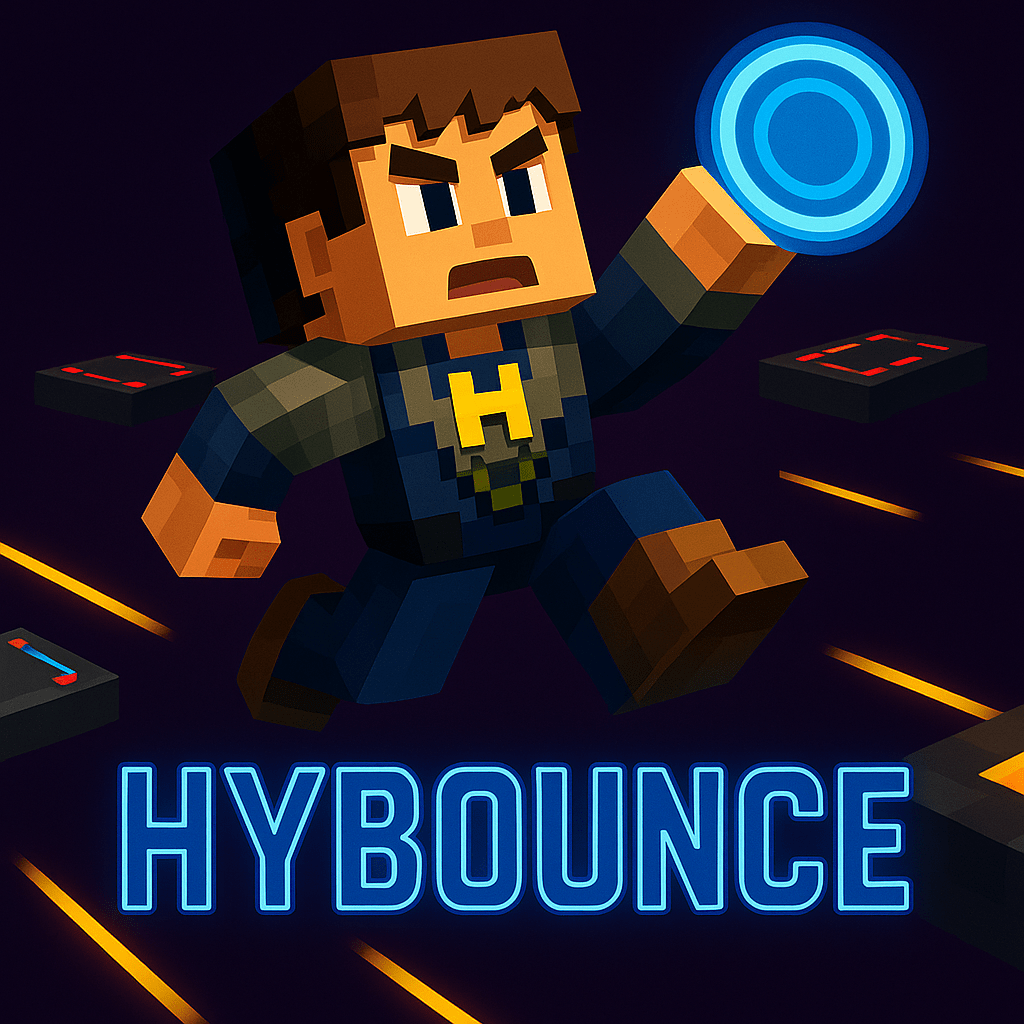




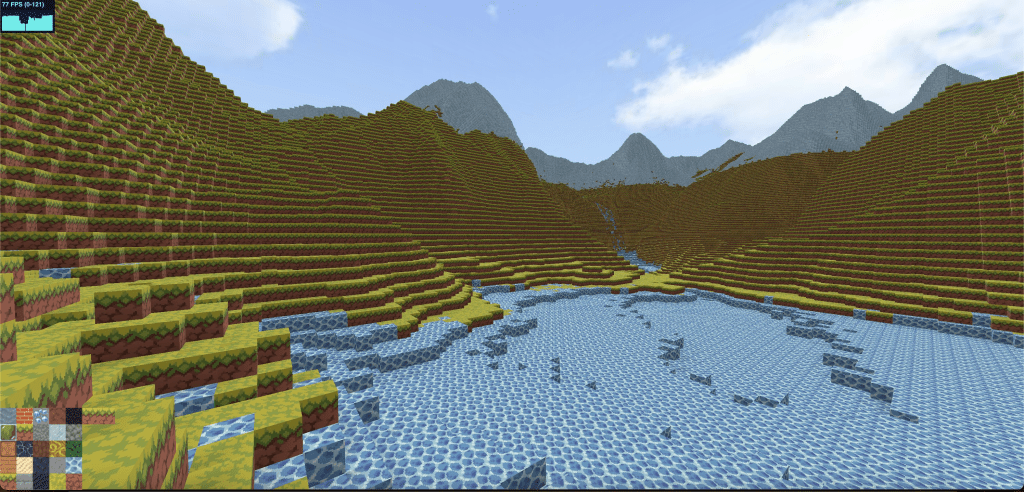
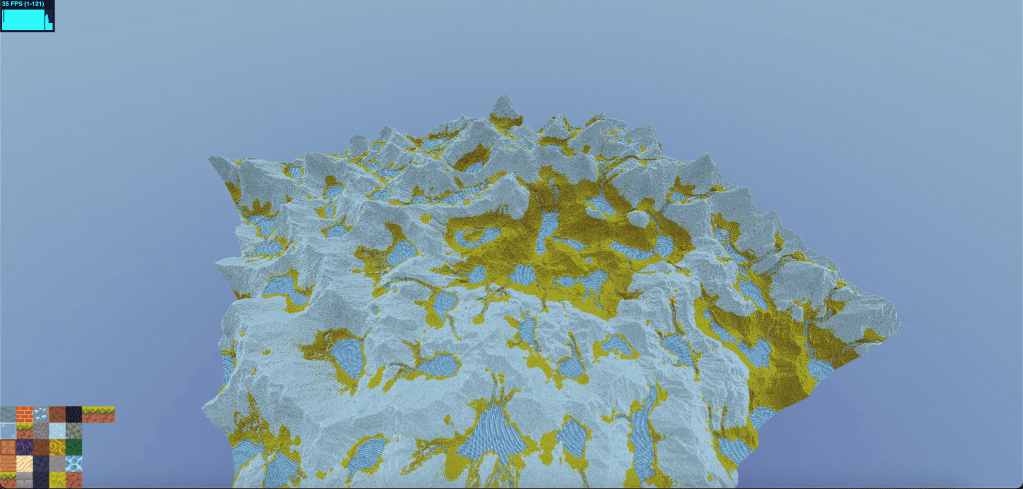
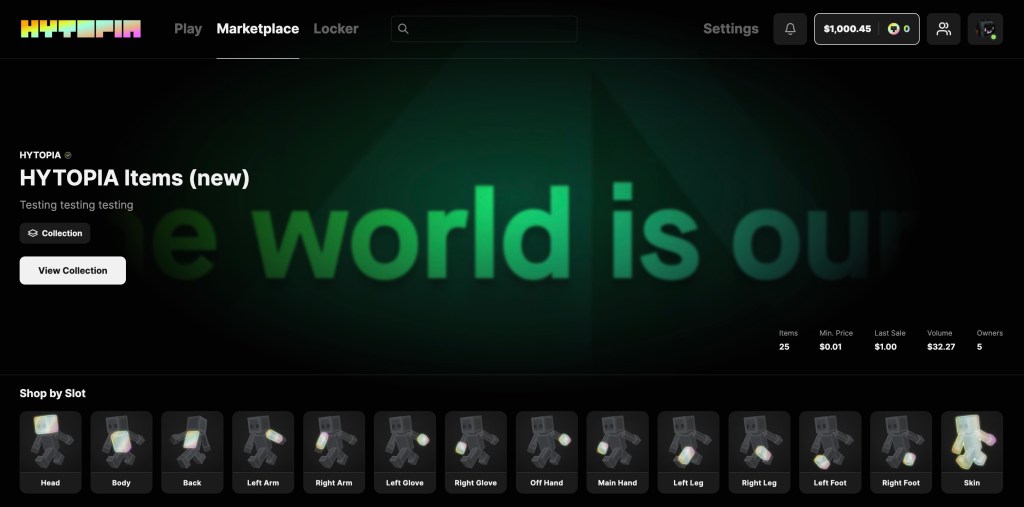
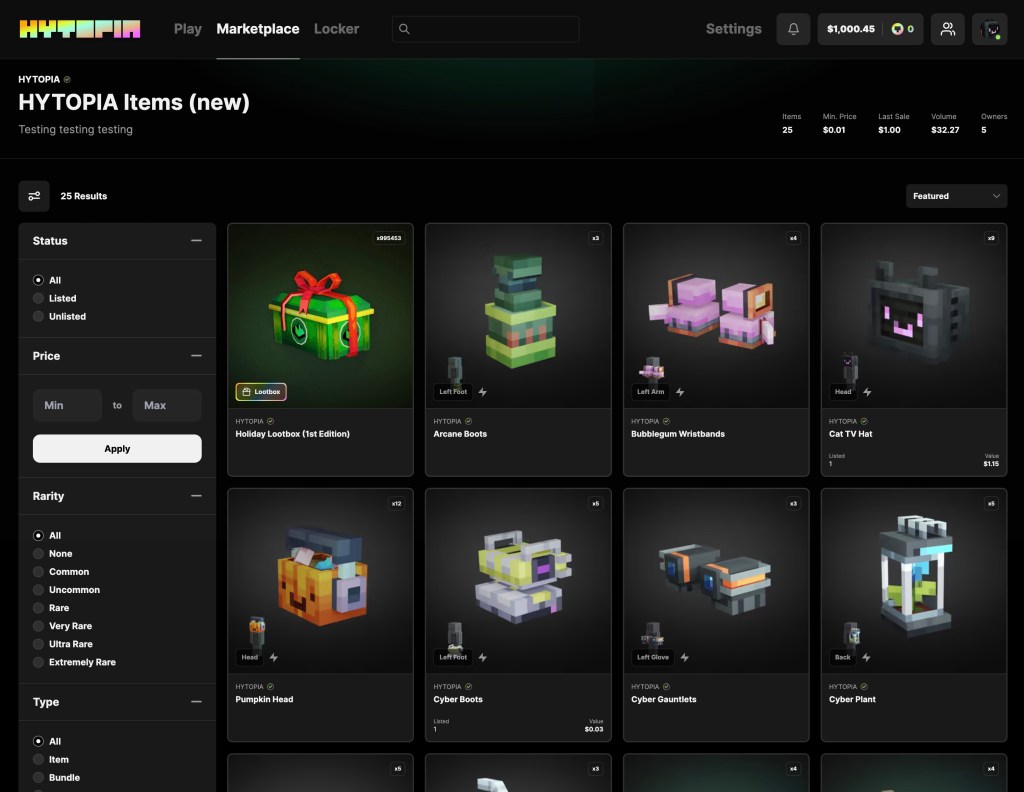

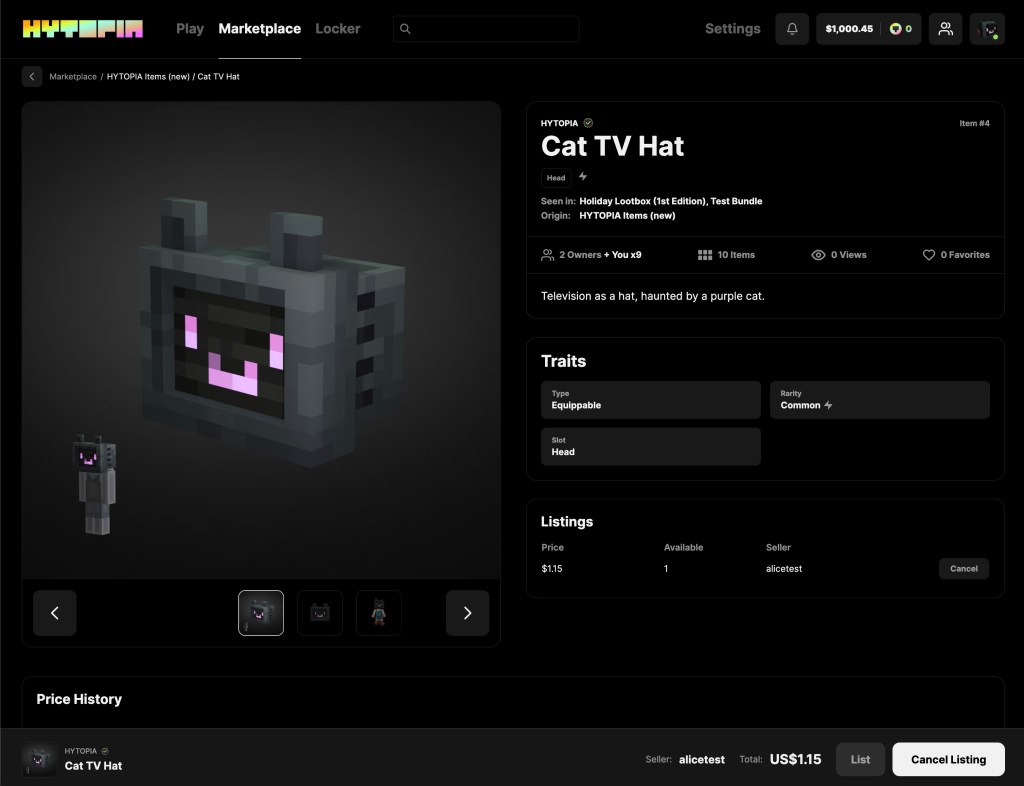
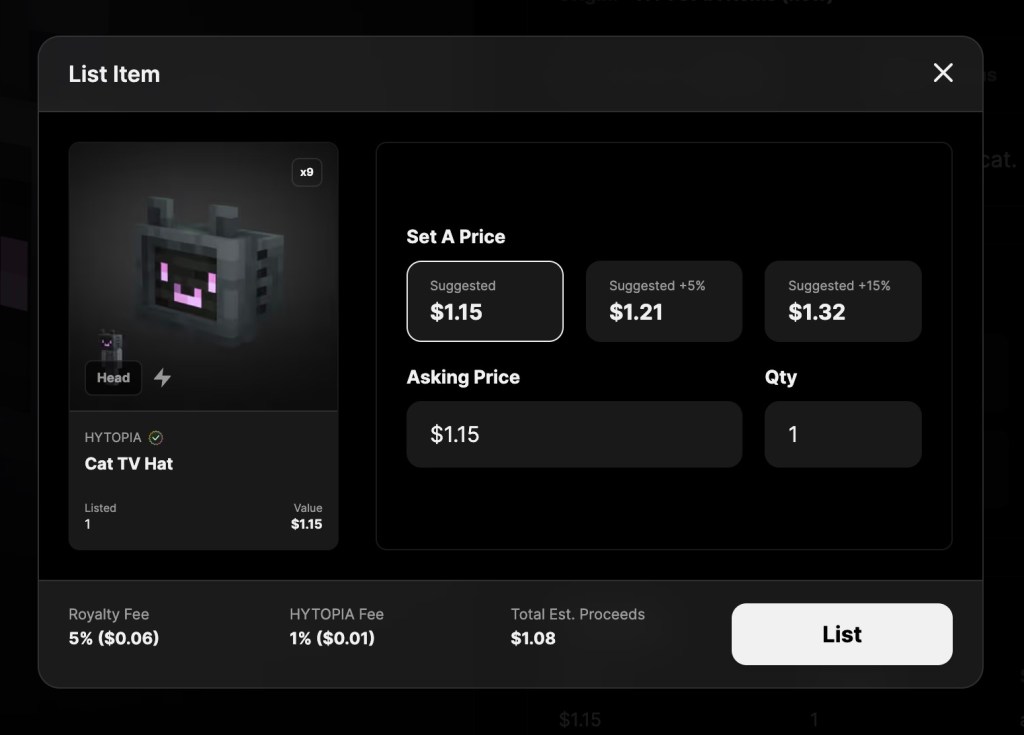
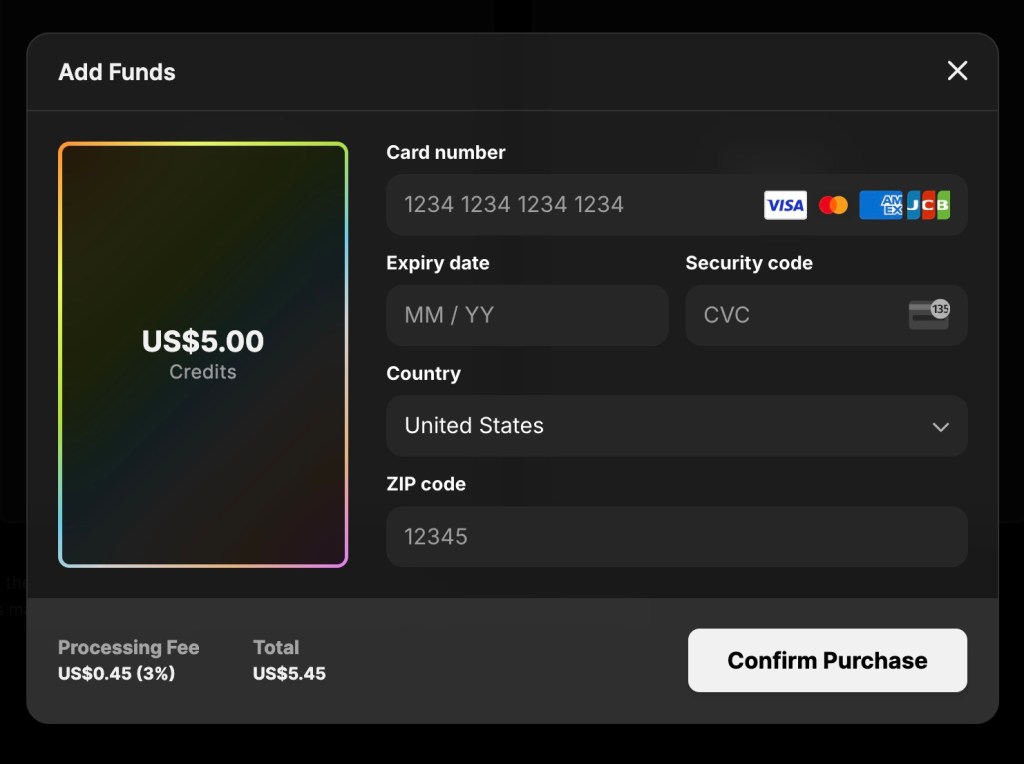
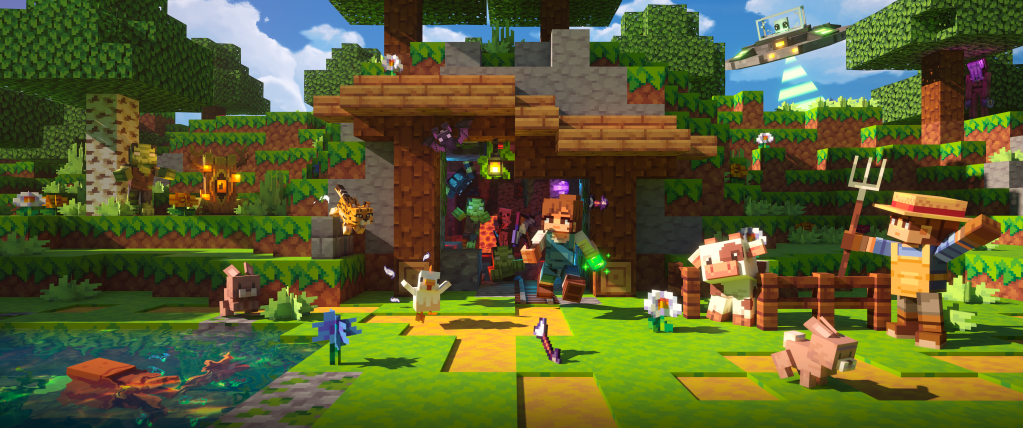


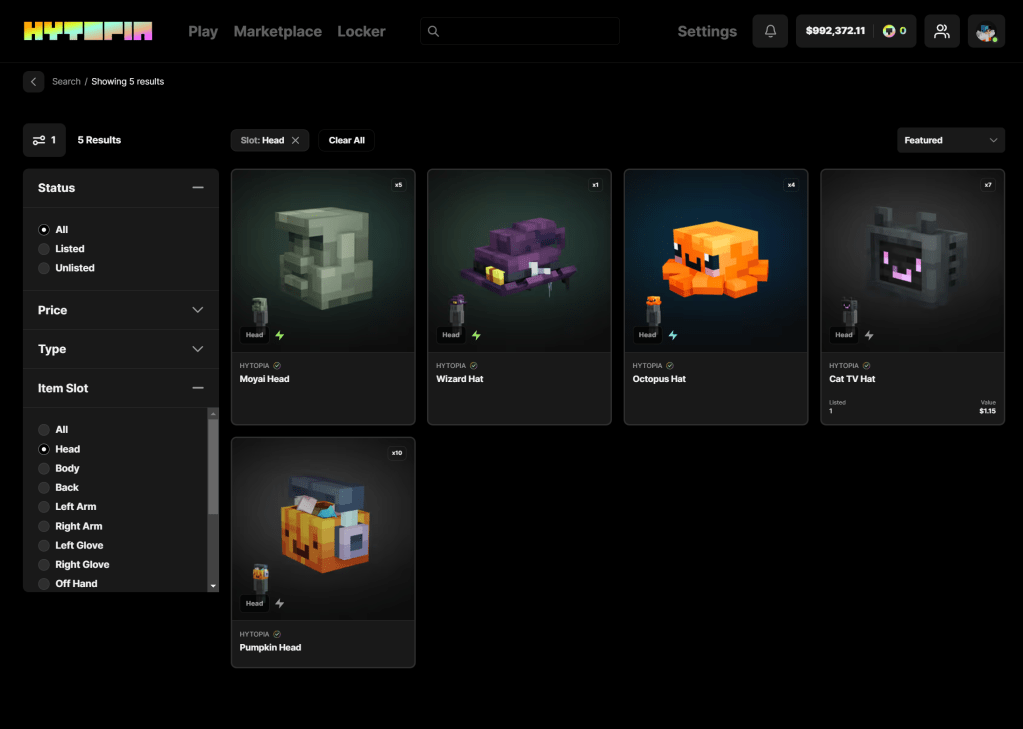

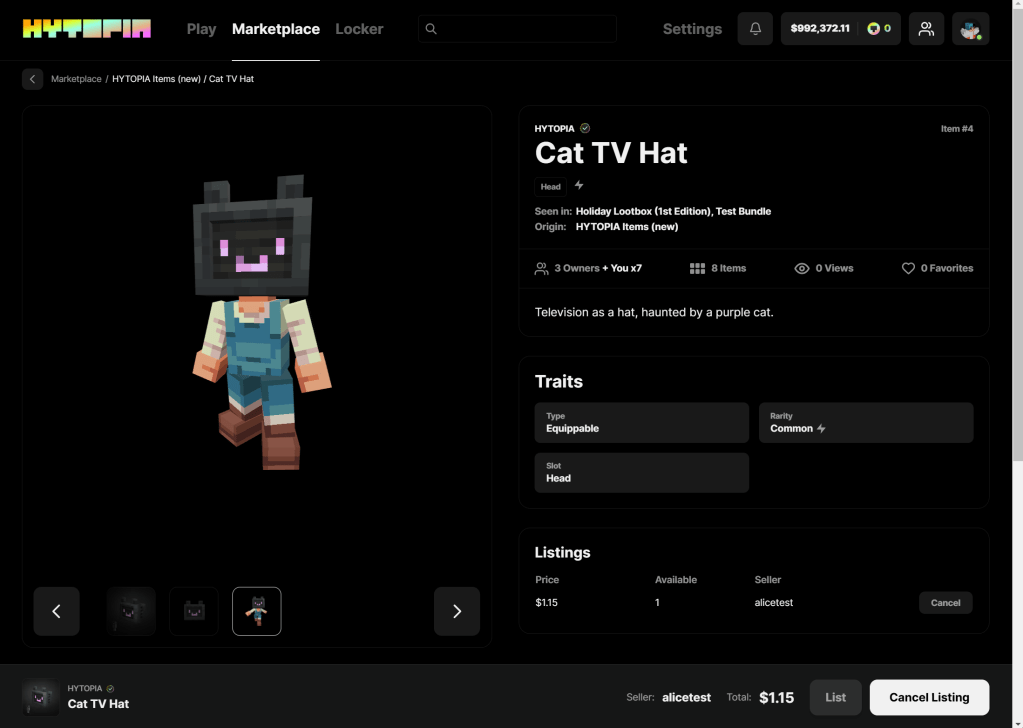
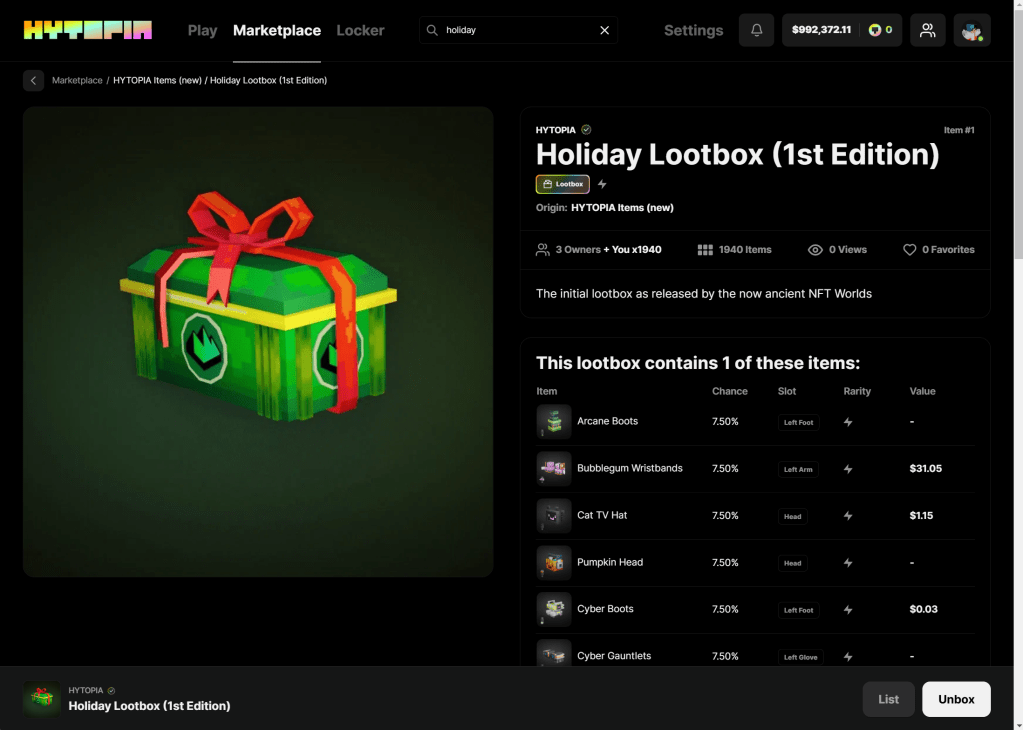
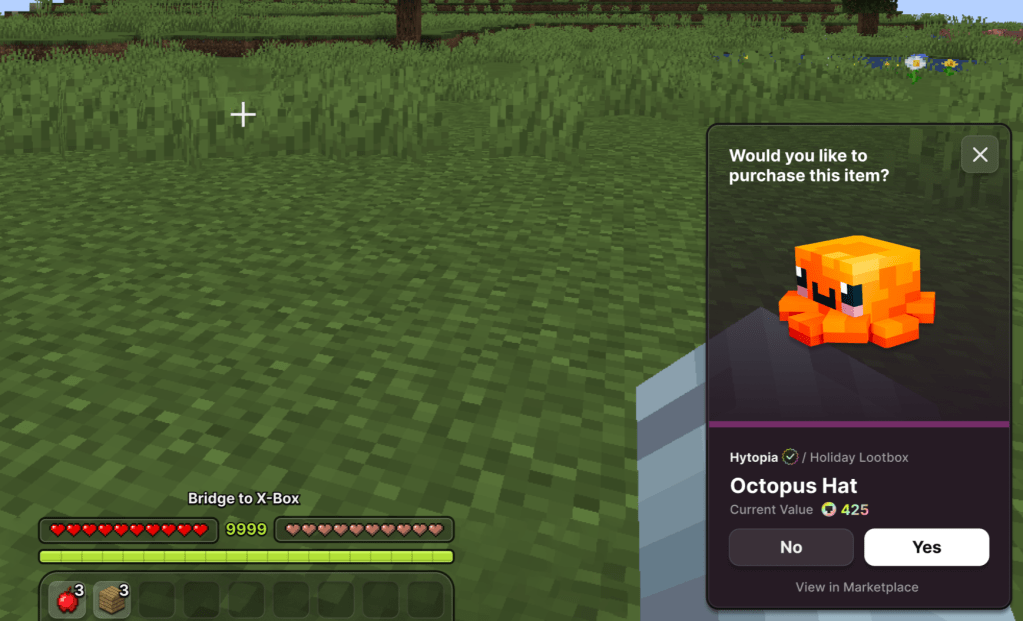
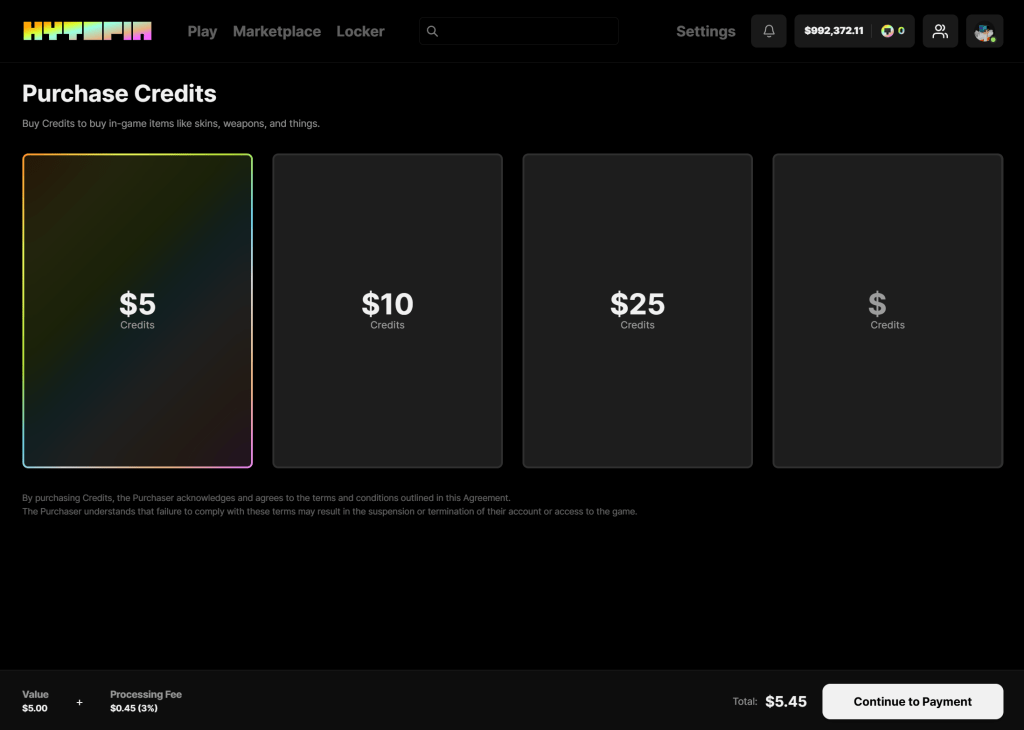
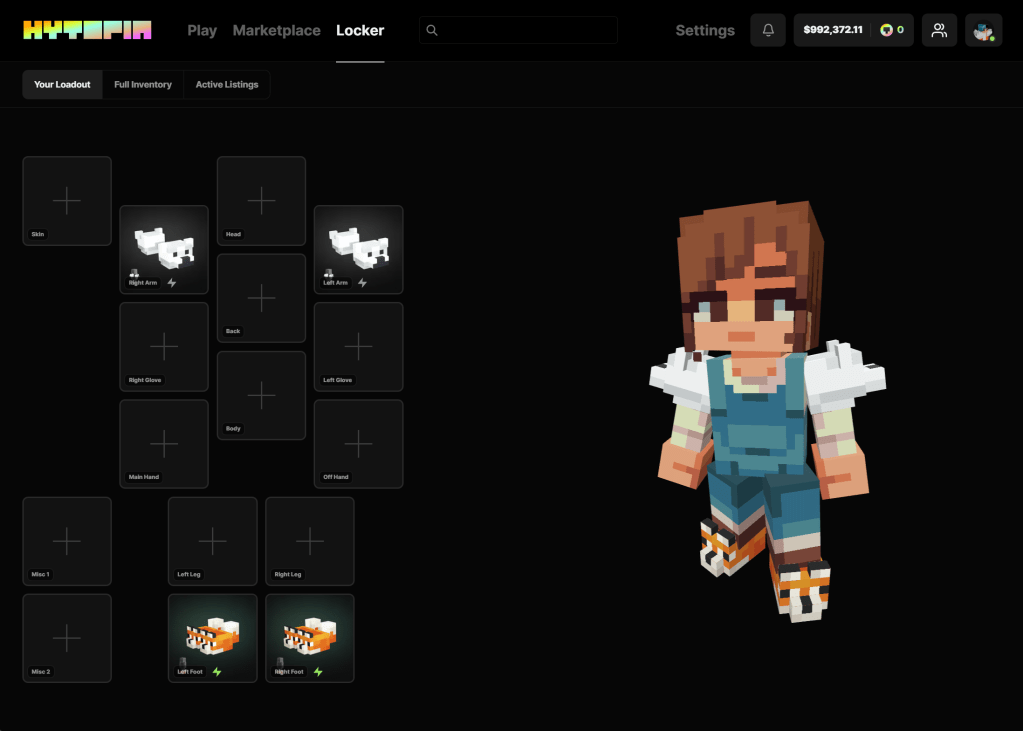
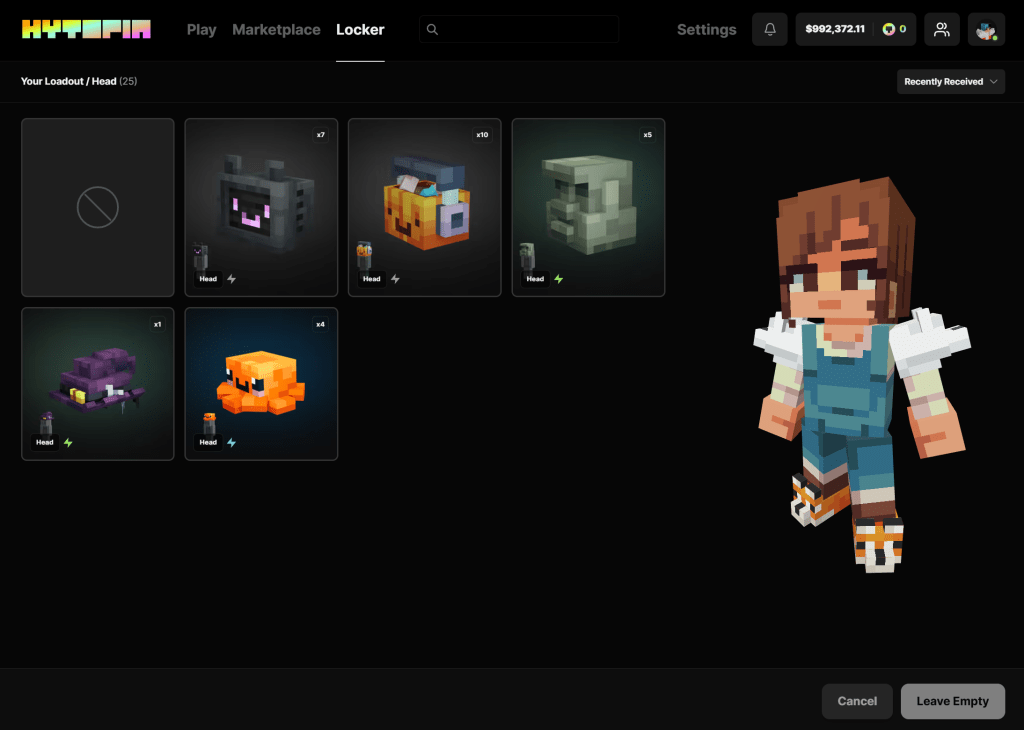
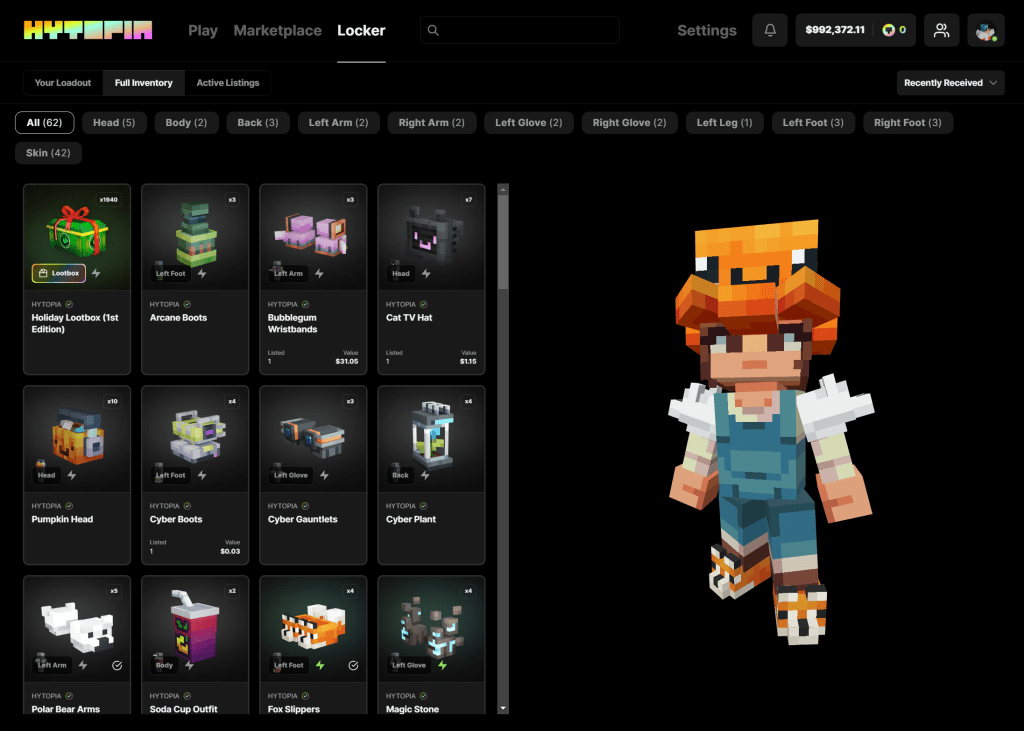
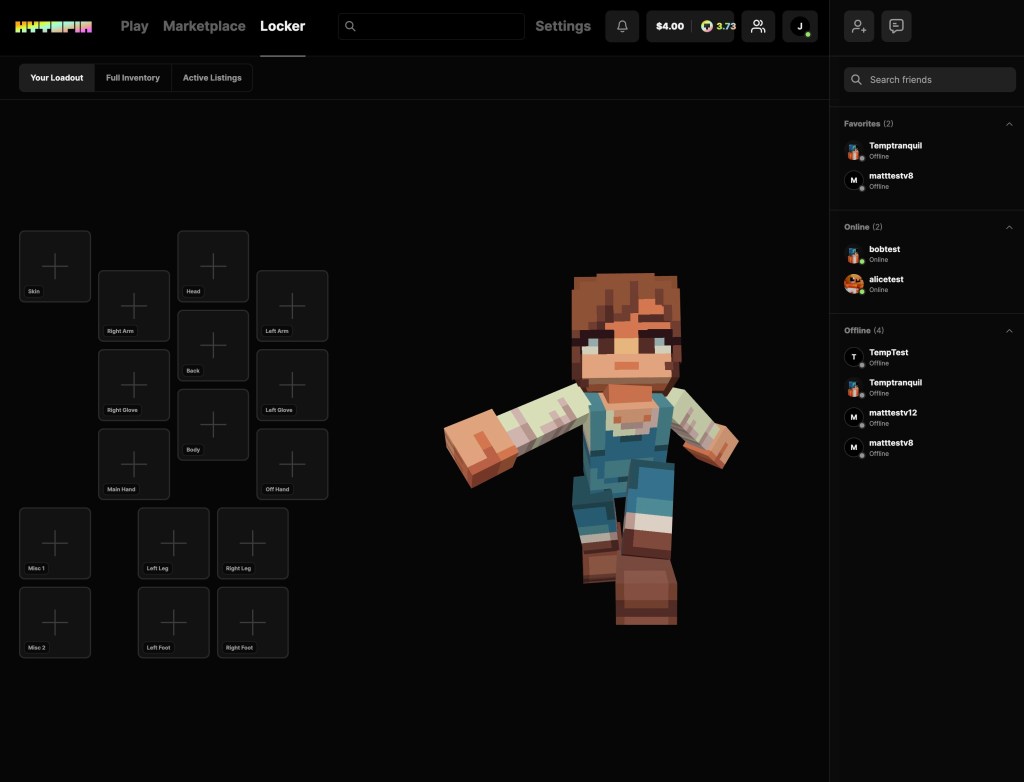
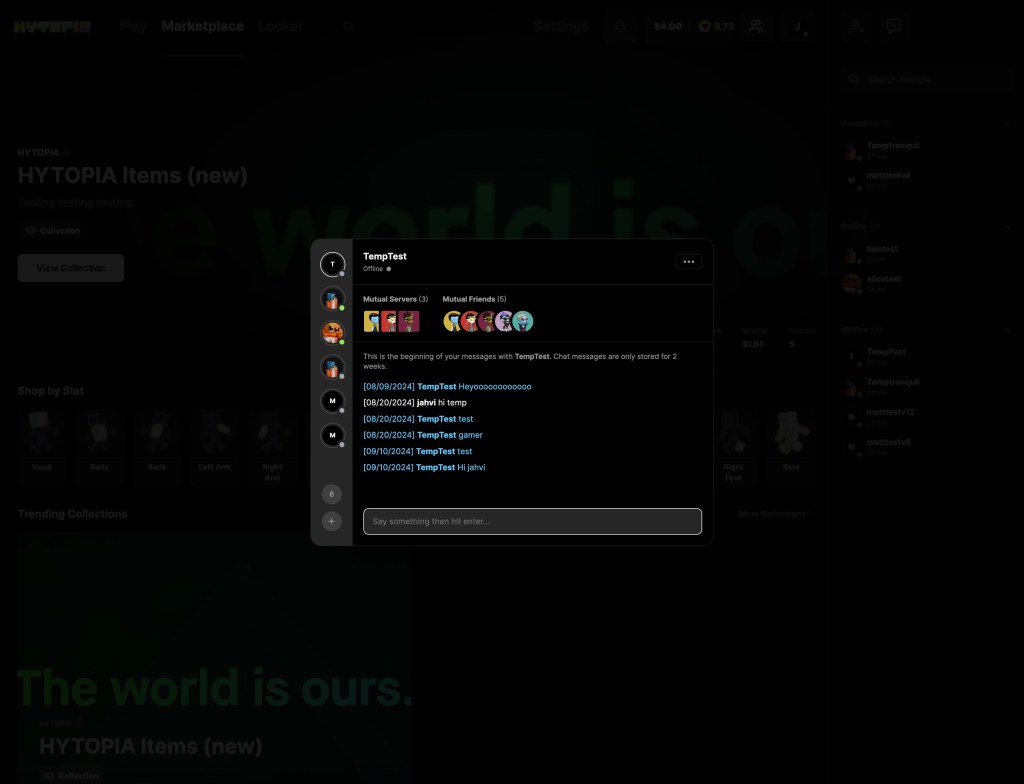

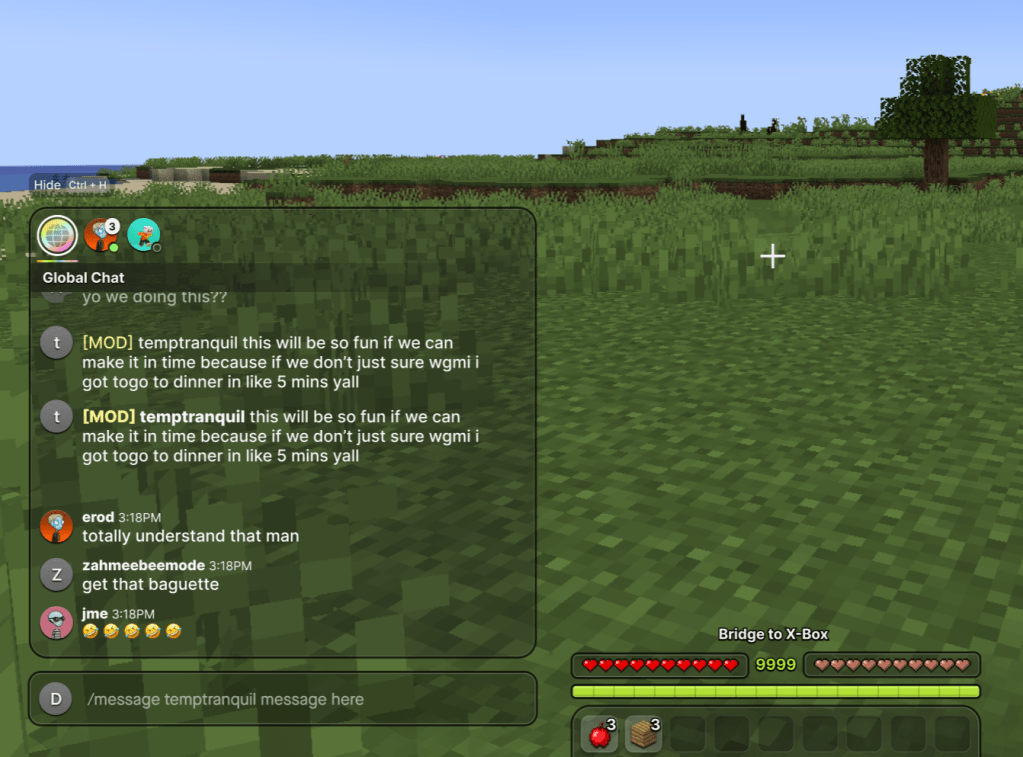
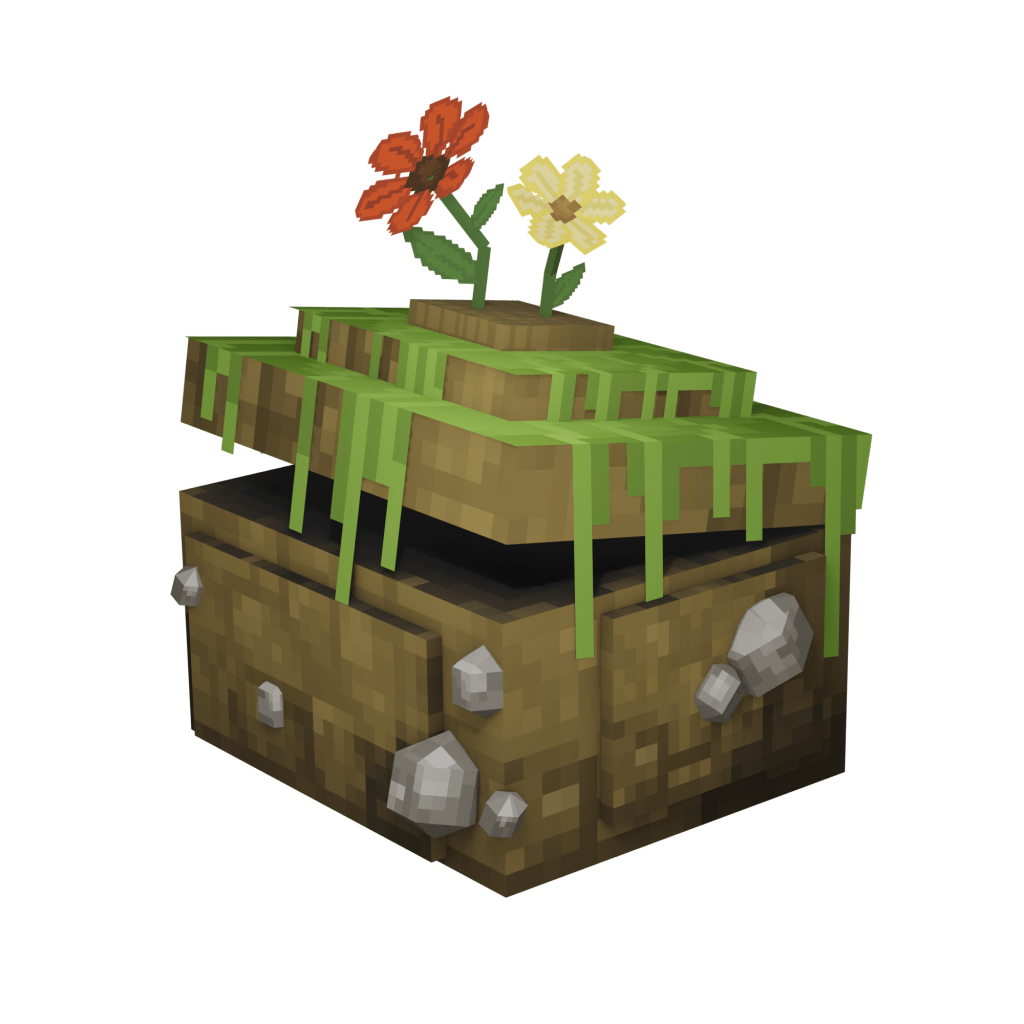
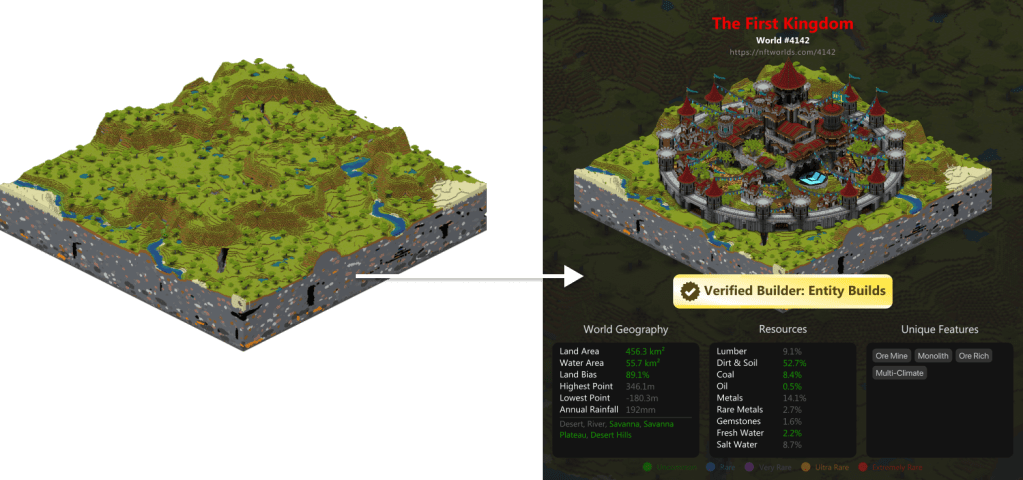

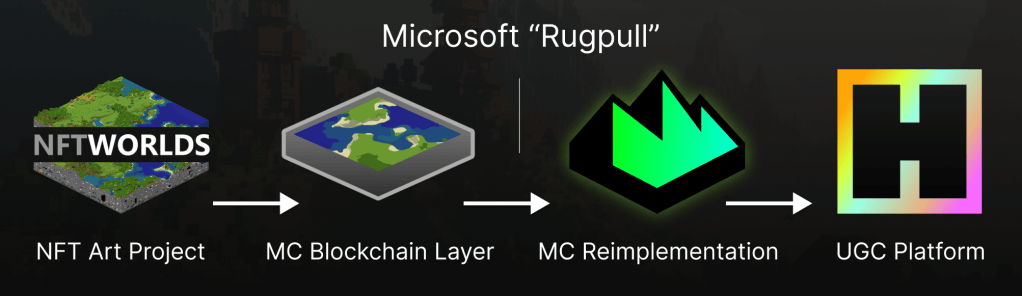

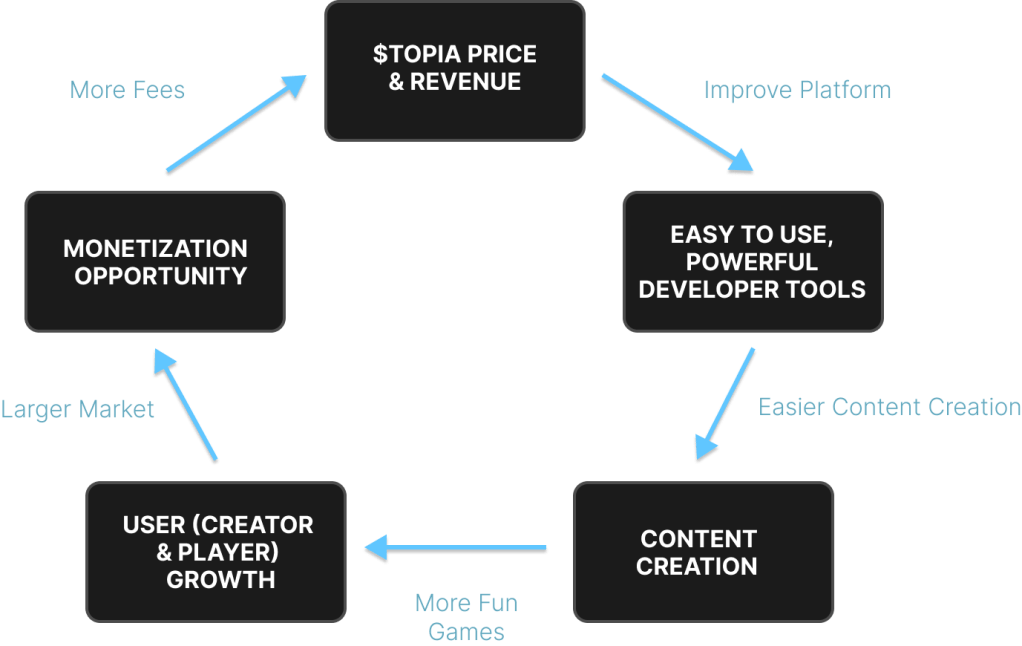

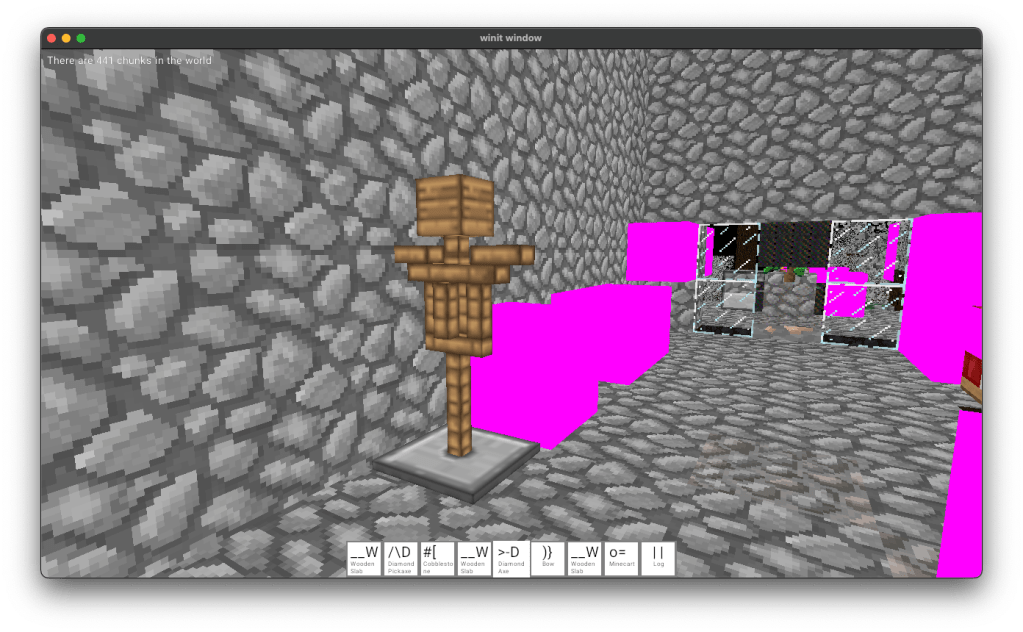
 HYTOPIA BLOG